

San Diego, January 9, 2026
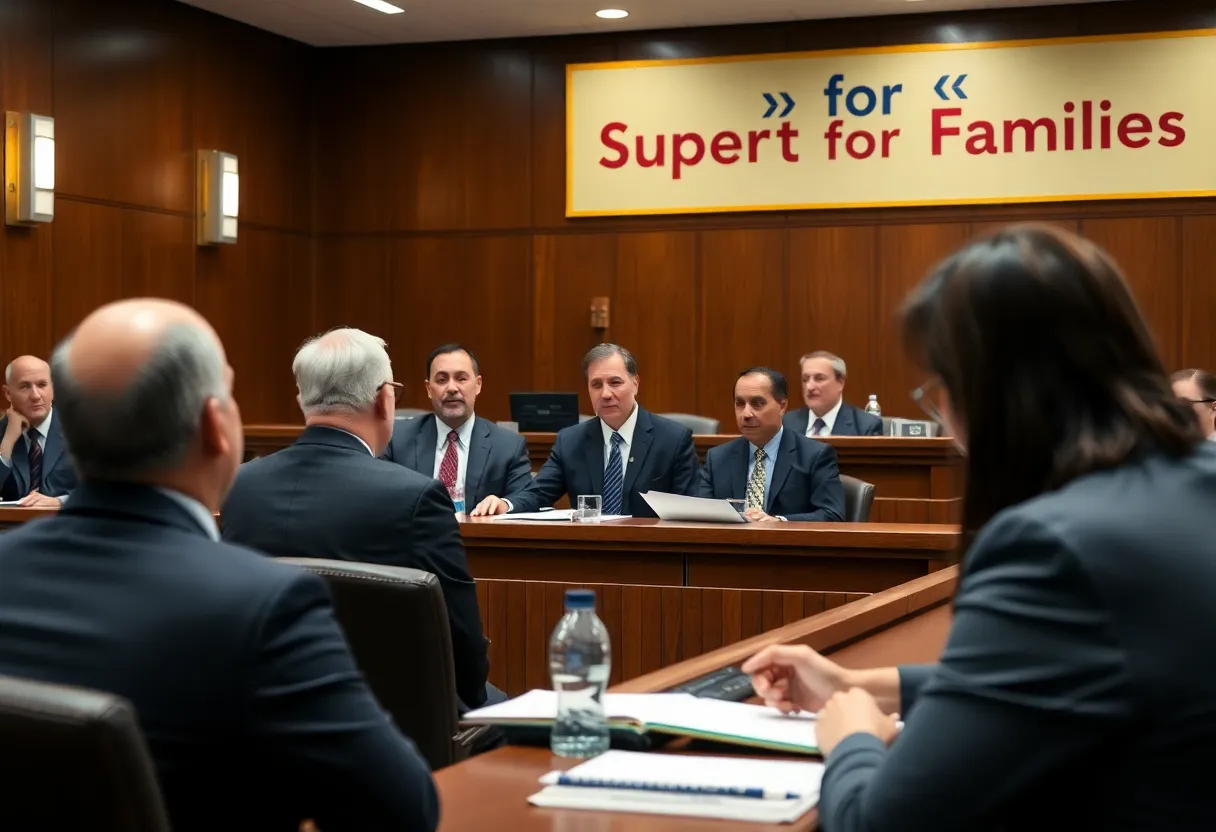
A legal battle has arisen as attorneys general from five Democratic-led states, led by California, file a lawsuit against the Trump administration. They contest the government’s decision to freeze over $10 billion in federal funding for essential child care and family assistance programs. This freeze raises concerns over the welfare of low-income families who rely on these services following the administration’s claims of potential fraud, which have not been substantiated. The lawsuit argues that this action constitutes unconstitutional overreach and threatens the stability of crucial support for families.
States Challenge Federal Funding Freeze Impacting Local Families
California leads a lawsuit against the Trump administration, defending crucial assistance programs for low-income families.
San Diego, CA – A significant legal battle has emerged as attorneys general from five Democratic-led states—California, Colorado, Illinois, Minnesota, and New York—filed a lawsuit against the Trump administration. The lawsuit is in response to the administration’s decision to freeze over $10 billion in federal funding for critical child care and family assistance programs, which includes the Child Care and Development Fund (CCDF), Temporary Assistance for Needy Families (TANF), and the Social Services Block Grant (SSBG).
The U.S. Department of Health and Human Services (HHS) announced the funding freeze, expressing concerns regarding potential fraud in these programs. However, the details backing these allegations have not been disclosed, raising questions about transparency and accountability. The administration’s move to freeze funds has drawn criticism from state leaders who argue it undermines Congress’s legislative authority and jeopardizes support for vulnerable families.
Legal Actions and Arguments
The lawsuit, spearheaded by California Attorney General Rob Bonta, asserts that the funding freeze is an instance of unconstitutional overreach and an abuse of power. Bonta has pointed out that these funds were already allocated by Congress for essential services aimed at supporting families in need. He conveyed that the freeze is based on unproven allegations of fraud, further criticizing the administration’s demands for extensive documentation about program beneficiaries.
Impact on Local Family Services
The ramifications of this funding freeze are immediate and profound. Families reliant on the support provided by these programs are facing uncertainty, with advocates warning that child care providers could encounter operational difficulties. Should the funding drought persist, child care centers may be forced to close their doors, thereby amplifying challenges for working parents who depend on these services to balance their professional and family obligations.
Political Tensions and Broader Implications
This lawsuit exemplifies the ongoing tension between Democratic-led states and the Trump administration over domestic policies that impact family welfare. The potential outcomes of the lawsuit could reshape the landscape of federal assistance and influence the future of social services funding not just in the involved states, but across the nation. The broader implications could affect how each state administers vital programs that directly impact their communities.
The Case’s Importance for California Entrepreneurs
For California entrepreneurs and small business owners, the challenges posed by the funding freeze highlight the intersection of government policy and economic vitality. A healthy economy hinges on the availability of child care services, which enable parents to maintain stable employment. Without access to reliable family assistance programs, businesses may struggle to retain a healthy workforce, therefore stalling growth opportunities across sectors.
Conclusion: The Path Forward
As the legal proceedings unfold, the emphasis should remain on the importance of support programs for families. It is crucial for community members to stay engaged and informed about developments that may affect economic stability in San Diego and beyond. Supporting local families means supporting local businesses; therefore, efforts should continue to advocate for streamlined and assured access to necessary services. The future of federal funding for crucial social services may very well depend on the outcome of this legal challenge.
Frequently Asked Questions (FAQ)
What is the lawsuit about?
The lawsuit challenges the Trump administration’s decision to freeze over $10 billion in federal funding for child care and family assistance programs in five Democratic-led states: California, Colorado, Illinois, Minnesota, and New York. The freeze affects the Child Care and Development Fund (CCDF), Temporary Assistance for Needy Families (TANF), and the Social Services Block Grant (SSBG), which collectively support low-income families across these states.
Why did the Trump administration freeze the funding?
The U.S. Department of Health and Human Services (HHS) announced the funding freeze, citing concerns over potential fraud within these programs. HHS officials stated that they had “identified concerns that these benefits intended for American citizens and lawful residents may have been improperly provided … .” However, the administration has not provided specific evidence to substantiate these allegations.
What do the states argue in the lawsuit?
The five states argue that the freeze is an unconstitutional overreach and an abuse of power. They contend that the Trump administration is withholding funds already approved by Congress, which are essential for providing services to vulnerable populations. The lawsuit seeks a court order to halt the freeze and release the withheld funds.
Who is leading the legal challenge?
California Attorney General Rob Bonta is leading the legal challenge. He emphasized the critical role these programs play in supporting families and criticized the administration’s demand for extensive documentation, including personally identifiable information about program participants, within a short timeframe.
What are the potential impacts of the funding freeze?
The freeze has raised concerns about the immediate impact on families relying on these services. Child care providers, in particular, face operational challenges due to the uncertainty surrounding funding. Advocates warn that prolonged disruptions could lead to closures of child care centers and increased hardship for working parents.
Key Features of the Funding Freeze and Lawsuit
| Feature | Description |
|---|---|
| Amount of Funding Frozen | Over $10 billion |
| Programs Affected | Child Care and Development Fund (CCDF), Temporary Assistance for Needy Families (TANF), Social Services Block Grant (SSBG) |
| States Involved | California, Colorado, Illinois, Minnesota, New York |
| Reason for Freeze | Alleged concerns over potential fraud within the programs |
| Legal Action | Lawsuit filed by the five states challenging the freeze as unconstitutional and an abuse of power |
| Lead Attorney General | Rob Bonta of California |
| Potential Impact | Operational challenges for child care providers, potential closures, increased hardship for working parents |
Deeper Dive: News & Info About This Topic
HERE Resources
Over $10 Billion Frozen for Child Care in Five States
San Diego Protests Against Authoritarian Policies
Federal Judge Blocks California Policy on Student Gender Identity Disclosure
Funding Grants Available for Innovative Classroom Projects
San Diego State University and CSUSM Anticipate Enrollment Surge
San Diego County Schools Shine in National Rankings
Funding Crisis Halts UCLA’s Bond Sale Amid Political Tensions
U.S. News Releases 2025-2026 Best High School Rankings
Community Concerns Rise After ICE Raid Near School
Migrant Arrested After Crashing into Government Vehicles in San Diego

Author: STAFF HERE SAN DIEGO WRITER
The SAN DIEGO STAFF WRITER represents the experienced team at HERESanDiego.com, your go-to source for actionable local news and information in San Diego, San Diego County, and beyond. Specializing in "news you can use," we cover essential topics like product reviews for personal and business needs, local business directories, politics, real estate trends, neighborhood insights, and state news affecting the area—with deep expertise drawn from years of dedicated reporting and strong community input, including local press releases and business updates. We deliver top reporting on high-value events such as Comic-Con International, San Diego County Fair, and San Diego Pride Festival. Our coverage extends to key organizations like the San Diego Regional Chamber of Commerce and United Way of San Diego County, plus leading businesses in biotechnology, healthcare, and technology that power the local economy such as Qualcomm, Illumina, and Scripps Health. As part of the broader HERE network, including HEREAnaheim.com, HEREBeverlyHills.com, HERECostaMesa.com, HERECoronado.com, HEREHollywood.com, HEREHuntingtonBeach.com, HERELongBeach.com, HERELosAngeles.com, HEREMissionViejo.com, and HERESantaAna.com, we provide comprehensive, credible insights into California's dynamic landscape.