

San Diego, December 1, 2025
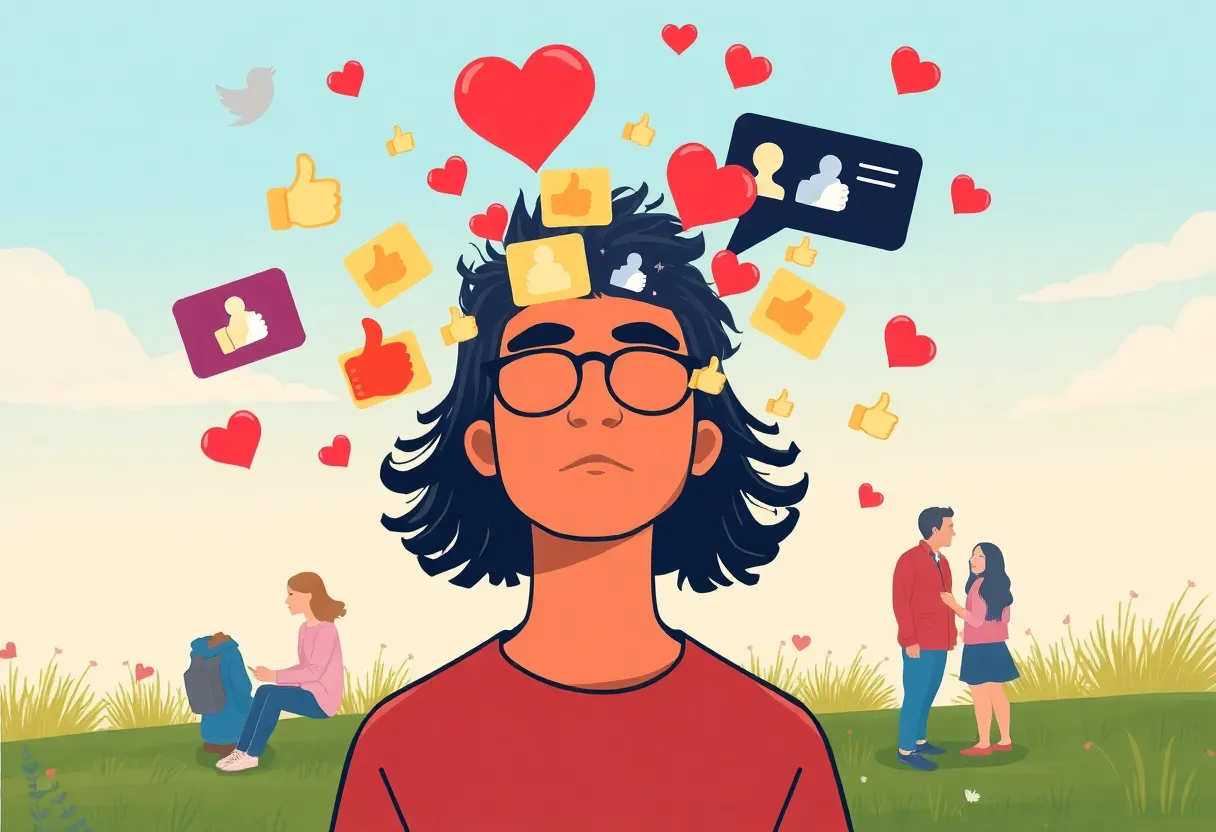
Recent studies have revealed significant mental health challenges arising from excessive social media use, including increased rates of depression, anxiety, and feelings of isolation. While there are positive aspects, the negative impacts cannot be overlooked. Experts recommend strategies to mitigate these risks, such as setting time limits and fostering in-person connections. Balancing online engagement with real-world interactions is essential for maintaining mental well-being in the digital age.
San Diego, CA – Social Media’s Impact on Mental Health: A Growing Concern
Recent studies have highlighted significant mental health challenges associated with excessive social media use, including increased rates of depression, anxiety, and feelings of isolation.
Negative Effects of Social Media on Mental Health
Excessive social media use has been linked to various mental health issues, such as depression, anxiety, decreased self-esteem, poor sleep, and increased stress levels.
Depression
Surveys show a stark increase in depression and suicide among adolescents who are more plugged into new media. Adolescents in grades 8 to 12 who often engage in online activities are more likely to report feeling “isolated” and hopeless than teens engaging in more traditional forms of entertainment, like sports or social gatherings.
Anxiety
Social media can trigger feelings of anxiety and fear of missing out (FOMO). People feel left behind and anxious when they don’t partake in online activities, which can manifest themselves mentally with depression and even physically through disrupted sleep cycles.
Isolation
Despite being a tool for connection, social media can increase feelings of loneliness. Many people spend hours engaging with digital interactions while neglecting in-person relationships. This can lead to social withdrawal and difficulty forming real-world connections.
Positive Aspects of Social Media
While excessive use poses risks, social media also offers benefits, such as staying connected with friends and family, accessing support communities, and raising awareness on important issues.
Recommendations for Healthy Social Media Use
To mitigate negative effects, experts recommend setting time limits, curating content to follow positive influences, and prioritizing face-to-face interactions to maintain mental well-being.
Conclusion
Balancing social media engagement with real-world connections and self-care practices is essential to safeguard mental health in the digital age.
Frequently Asked Questions (FAQ)
What are the negative effects of excessive social media use on mental health?
Excessive social media use has been linked to various mental health issues, such as depression, anxiety, decreased self-esteem, poor sleep, and increased stress levels.
How can social media use lead to depression?
Surveys show a stark increase in depression and suicide among adolescents who are more plugged into new media. Adolescents in grades 8 to 12 who often engage in online activities are more likely to report feeling “isolated” and hopeless than teens engaging in more traditional forms of entertainment, like sports or social gatherings.
Can social media use lead to feelings of isolation?
Despite being a tool for connection, social media can increase feelings of loneliness. Many people spend hours engaging with digital interactions while neglecting in-person relationships. This can lead to social withdrawal and difficulty forming real-world connections.
What are the positive aspects of social media?
While excessive use poses risks, social media also offers benefits, such as staying connected with friends and family, accessing support communities, and raising awareness on important issues.
How can individuals mitigate the negative effects of social media?
To mitigate negative effects, experts recommend setting time limits, curating content to follow positive influences, and prioritizing face-to-face interactions to maintain mental well-being.
Key Features of Social Media’s Impact on Mental Health
| Feature | Description |
|---|---|
| Negative Effects | Increased depression, anxiety, decreased self-esteem, poor sleep, and increased stress levels. |
| Positive Aspects | Staying connected with friends and family, accessing support communities, and raising awareness on important issues. |
| Recommendations | Setting time limits, curating content to follow positive influences, and prioritizing face-to-face interactions. |
Deeper Dive: News & Info About This Topic
HERE Resources
California Bank & Trust Matches Donations to Support Local Community
San Diego FC’s Stars Set to Play in Crucial Playoff Match
Study Reveals Positive Effects of Surf Therapy on Veterans
San Diego School District Launches Voices for Change Contest
Navy Cmdr. Janelle Marra Removed Amid Social Media Controversy
Emily Brubaker Wins NBC’s Culinary Competition
Trump Urges Major Interest Rate Cut Amid Job Growth
HCA Healthcare Named Top Health Employer by Fortune
Instagram Launches AI Initiative to Protect Teen Users
Wildfires in Southern California: A Growing Catastrophe

