

San Diego, December 10, 2025
The San Diego City Council has voted to continue the Automated License Plate Reader (ALPR) program, allowing the police department to maintain and expand its use of this technology. While the ALPR has proven effective in combating crime, concerns regarding privacy and data sharing practices have emerged. The police department has implemented restrictions to address these concerns, ensuring that data sharing is limited and retention is kept to 30 days. The ongoing program reflects the city’s commitment to balancing public safety with privacy rights.
San Diego City Council Votes to Continue Automated License Plate Reader Program
San Diego, CA – On December 9, 2025, the San Diego City Council voted to continue the use of Automated License Plate Reader (ALPR) technology, a decision that has sparked ongoing debate over privacy and data sharing practices.
Council Decision
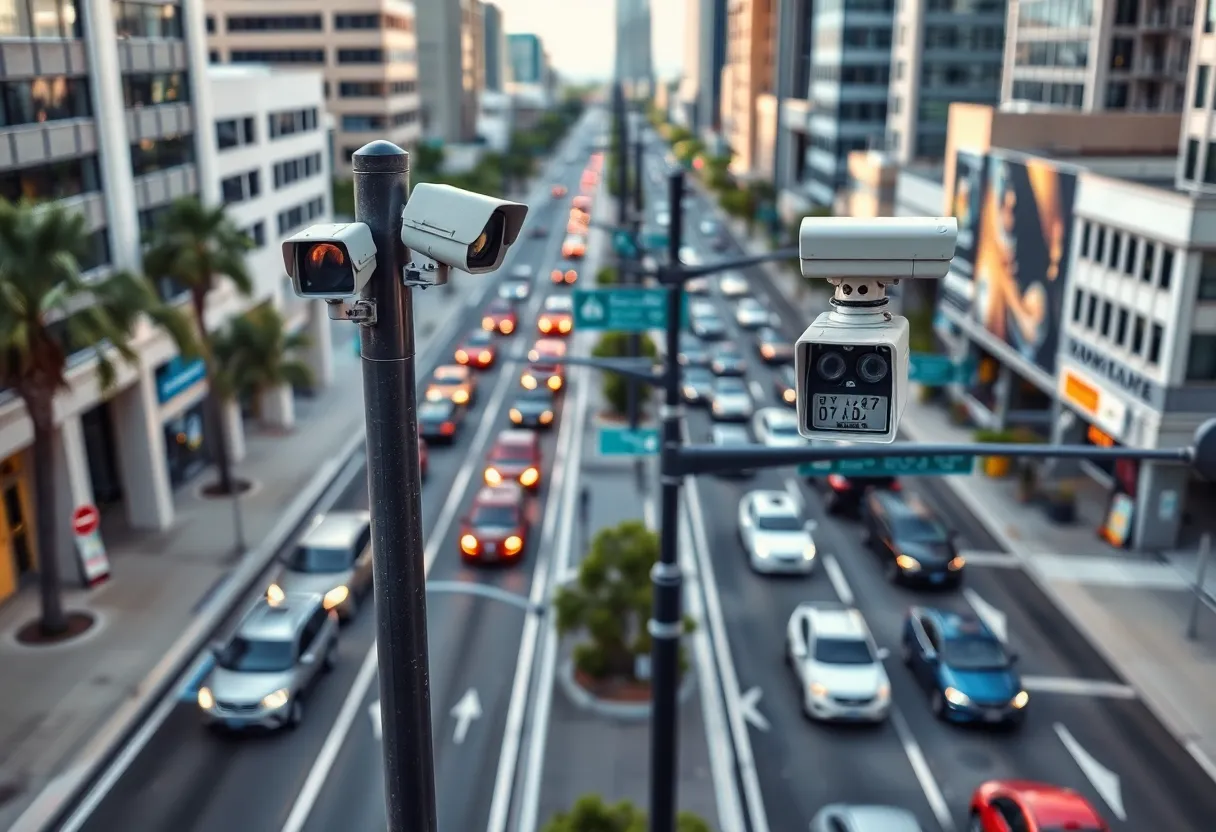
The council’s vote ensures the San Diego Police Department (SDPD) can maintain and expand its ALPR system, which has been operational since December 2023. This technology utilizes cameras to capture and analyze vehicle license plates, aiding in crime prevention and investigation efforts.
Effectiveness of ALPR Technology
Since its deployment, the ALPR system has been credited with significant contributions to public safety. The SDPD reports that the technology has assisted in over 600 investigations, leading to the recovery of more than $6 million in stolen property and resulting in approximately 420 arrests. Notably, vehicle thefts in San Diego decreased by 20% between 2023 and 2024, a trend attributed to the effectiveness of ALPR technology.
Privacy Concerns and Community Response
Despite these successes, the program has faced criticism from privacy advocates and community groups. Concerns center around potential misuse of data, unauthorized access, and the sharing of information with federal agencies, including Immigration and Customs Enforcement (ICE). In response to these issues, the SDPD has implemented measures to restrict data sharing, ensuring that ALPR data is not shared with federal immigration agencies and is only accessible to trained users within the department. Additionally, the data retention period has been limited to 30 days, aligning with local regulations.
Background Context
The use of ALPR technology in San Diego was initially approved in 2023 under the Transparent and Responsible Use of Surveillance Technology Ordinance. This ordinance requires annual reviews of surveillance technologies to assess their impact on privacy and civil liberties. The recent council vote marks the first such review since the program’s inception, reflecting the city’s commitment to balancing public safety with individual privacy rights.
Looking Ahead
As the ALPR program continues, the San Diego City Council has emphasized the importance of transparency and accountability. Ongoing evaluations and community engagement are expected to address concerns and ensure that the technology serves the best interests of the public while safeguarding privacy rights.
FAQ
What is Automated License Plate Reader (ALPR) technology?
ALPR technology uses cameras to capture and analyze vehicle license plates, assisting law enforcement in crime prevention and investigations.
How has ALPR technology been used in San Diego?
Since its deployment in December 2023, ALPR has aided in over 600 investigations, leading to the recovery of more than $6 million in stolen property and approximately 420 arrests. Vehicle thefts in San Diego decreased by 20% between 2023 and 2024, attributed to the effectiveness of ALPR technology.
What privacy concerns have been raised regarding ALPR technology?
Privacy advocates and community groups have expressed concerns about potential misuse of data, unauthorized access, and sharing of information with federal agencies, including Immigration and Customs Enforcement (ICE).
How has the San Diego Police Department addressed these concerns?
The SDPD has implemented measures to restrict data sharing, ensuring that ALPR data is not shared with federal immigration agencies and is only accessible to trained users within the department. The data retention period has been limited to 30 days, aligning with local regulations.
What is the Transparent and Responsible Use of Surveillance Technology Ordinance?
Enacted in 2023, this ordinance requires annual reviews of surveillance technologies to assess their impact on privacy and civil liberties, ensuring a balance between public safety and individual rights.
Key Features of the ALPR Program
| Feature | Description |
|---|---|
| Deployment Date | December 2023 |
| Investigations Assisted | Over 600 |
| Property Recovered | Over $6 million |
| Arrests Made | Approximately 420 |
| Vehicle Theft Reduction | 20% decrease between 2023 and 2024 |
| Data Retention Period | 30 days |
| Data Sharing Restrictions | Not shared with federal immigration agencies; accessible only to trained SDPD users |
Deeper Dive: News & Info About This Topic
HERE Resources
San Diego City Council Approves Continued Use of License Plate Reader Technology
San Diego State Leads Pac-12 Power Rankings Without Title Game
San Diego Hosts WWE Survivor Series: WarGames
Fresno State Bulldogs Triumph Over San Jose State Spartans
Christian High School Wins CIF San Diego Section Championship
Brady Palmer Commits to University of Minnesota for Football
Encinitas Faces Rising Crime and Public Safety Challenges
National Guard Shooting Triggers Immigration Policy Changes
FBI Investigates San Diego Connection in D.C. Shooting Incident
Toronto Blue Jays Sign Dylan Cease to Historic Contract

