

Mexico City, December 10, 2025
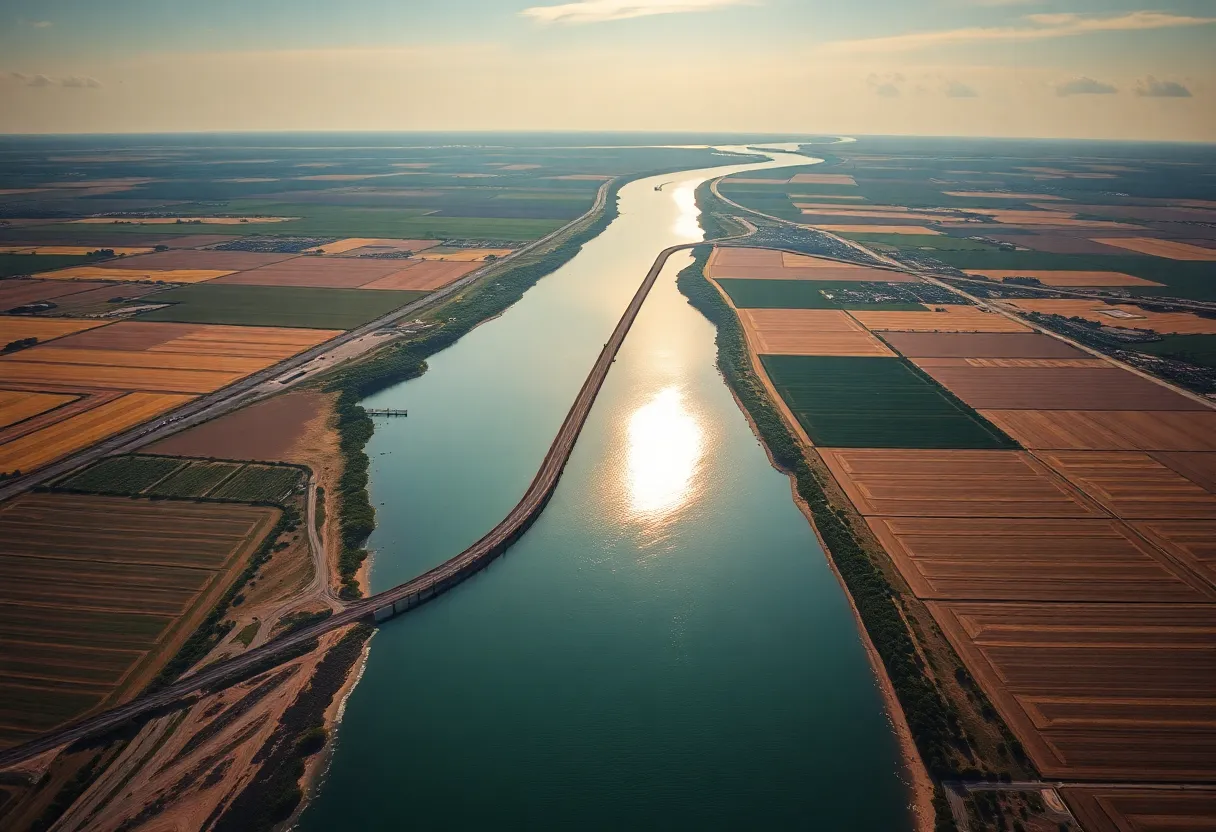
In a move to address water-sharing obligations, Mexico has agreed to increase its water deliveries to the United States after President Trump’s tariff threats. President Claudia Sheinbaum acknowledged the challenges posed by drought conditions but proposed a plan for partial water deliveries. This decision underlines the urgency for both nations to develop solutions that could enhance long-term water management and economic cooperation, especially for agricultural sectors in Texas impacted by water shortages.
Mexico City, Mexico
Mexico has agreed to increase water deliveries to the United States following President Donald Trump’s threat of a 5% tariff over water-sharing obligations.
The ongoing dialogue surrounding water allocation between Mexico and the United States is underscored by a sense of urgency, particularly with respect to agricultural interests in Texas. As President Trump recently pointed out, water shortages are believed to be affecting crops and livestock, a situation that raises critical questions about resources and trade relationships. Entrepreneurs and small businesses alike have a vested interest in ensuring stable resources that nurture their growth and innovation.
In response to the water delivery demands—which threaten to disrupt economic activities if not met—Mexican President Claudia Sheinbaum acknowledged the challenges posed by drought conditions and infrastructure limitations. This situation presents a unique opportunity for both nations to explore solutions that not only address immediate water-sharing obligations but also catalyze long-term improvements in water management, benefitting local economies.
Key Developments in the Water Sharing Dispute
The dispute originates from the 1944 Water Treaty, which mandates Mexico to deliver 1.75 million acre-feet of water to the U.S. every five years. Compliance has faltered in recent years, particularly as severe droughts have stretched resources thin. This predicament has propelled discussions not just about compliance, but also about the broader implications for economic cooperation across borders.
Sheinbaum’s Response and Proposed Solutions
President Sheinbaum’s announcement of a partial delivery plan is an indication of Mexico’s recognition of its commitments under the treaty. By proposing to release a portion of the required water now with promises of future deliveries, she is attempting to find a middle ground that honors the agreement while addressing infrastructure challenges. This kind of negotiation is vital for maintaining strong relationship ties that could further enhance business opportunities, especially in agriculture-reliant sectors.
Economic Ramifications of the Dispute
The potential for tariffs looms large over discussions between Mexico and the U.S. A 5% tariff on Mexican imports—threatened by Trump if water obligations are not satisfied—could have significant ramifications not just for bilateral trade, but also for local businesses in San Diego County that rely on Mexican goods. The resilience of these local enterprises amidst regulatory challenges displays their commitment to adapting and thriving in a complex economic landscape.
Future Dialogue to Resolve Issues
Scheduled virtual meetings between U.S. and Mexican officials mark a proactive step toward resolving the ongoing dispute. Such discussions offer pathways for collaboration that can potentially lead to greater economic stability and shared resource management. While there are undeniable challenges ahead, the engagement of both parties signifies a commitment to problem-solving, which is often the bedrock of entrepreneurial success in both countries.
Conclusion: A Call for Support and Engagement
As the water-sharing negotiations unfold, it highlights the importance of strong international relationships and resource management in fostering economic growth. Local entrepreneurs and businesses stand at the forefront of these discussions, showcasing resilience and innovation in navigating regulatory landscapes. Stakeholders in San Diego are encouraged to remain engaged with these developments, as the outcomes will have lasting impacts on local economies and the Southern California business landscape.
What is the 1944 Water Treaty?
The 1944 Water Treaty is an agreement between the United States and Mexico that outlines the allocation of water from the Rio Grande, requiring Mexico to deliver 1.75 million acre-feet of water to the U.S. every five years.
Why is Mexico unable to meet its water delivery obligations?
Mexico has cited severe drought conditions and pipeline limitations as challenges to immediate compliance with the treaty’s water delivery requirements.
What are the potential consequences of Mexico not meeting its water obligations?
Failure to meet water obligations could lead to economic sanctions, such as the 5% tariff threatened by President Trump, which would impact Mexican exports to the U.S. and potentially harm bilateral relations.
| Feature | Description |
|---|---|
| Water Treaty | Agreement between the U.S. and Mexico requiring Mexico to deliver 1.75 million acre-feet of water from the Rio Grande every five years. |
| Tariff Threat | President Trump’s warning of a 5% tariff on Mexican imports if water delivery obligations are not met. |
| Mexico’s Response | President Sheinbaum’s proposal for partial water delivery this month and additional releases in the coming years. |
| Virtual Meeting | Scheduled discussion between U.S. and Mexican officials to address the water-sharing issue. |
Deeper Dive: News & Info About This Topic
HERE Resources
Mexico Increases Water Deliveries to the U.S. Amid Drought
USS Abraham Lincoln Departs San Diego for New Deployment
Mutual Aid/Horizon Fire Erupts in San Diego County
San Diego Stabilizes Trash Service Amid Challenges
San Diego Seeks Community Input on Inclusive Engagement Guide
San Diego Celebrates its Picnic Culture
Discover Philadelphia’s BYOB Dining Scene
23andMe Faces Data Privacy Concerns Amid Bankruptcy Filing

