

Carlsbad, California, December 5, 2025
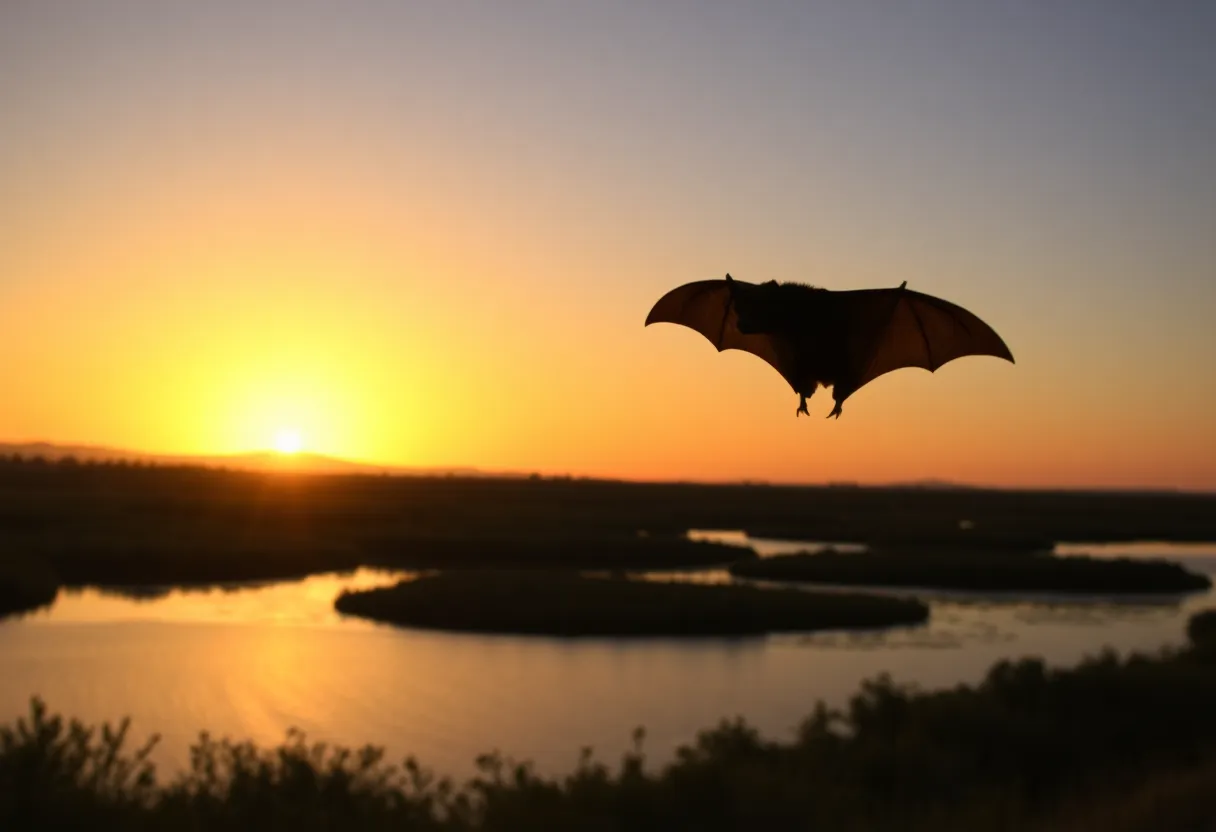
In Carlsbad, California, a hoary bat has been released after rehabilitation by the San Diego Humane Society, becoming the first in Southern California to utilize a Motus tracking device. This initiative highlights the importance of wildlife conservation and the role of innovative technology in studying animal migration patterns. The notable release took place near Agua Hedionda Lagoon, where the tracking device will assist researchers in understanding the species’ ecological role and habitat preferences.
Carlsbad, California: Rehabilitated Hoary Bat Released with Tracking Device
In a remarkable conservation effort, Carlsbad, California, welcomed the release of a rehabilitated hoary bat fitted with a Motus tracking device. This event marks the first utilization of tracking technology on a hoary bat in Southern California. The release, overseen by the San Diego Humane Society, took place near the scenic Agua Hedionda Lagoon on November 30, 2025.
The organization continues to spotlight the importance of wildlife rehabilitation, and this particular release serves as a notable milestone in conservation science, offering new insights into species migration and habitat preferences. In addition to monitoring movements, it demonstrates the potential of combining innovative technology with dedicated environmental stewardship.
Release Details
The hoary bat was released into the wild with an eye towards enhancing our understanding of this elusive species. Janell Cannon, an acclaimed author and illustrator known for her book “Stellaluna,” played an instrumental role in both coordinating the release and documenting the significant occasion.
Significance of the Tracking Device
The Motus tracking device is a pivotal tool that will aid researchers in gathering critical data regarding the hoary bat’s migration patterns and habitat utilization. This groundbreaking development will not only contribute to existing conservation efforts but also provide opportunities for future research on the species’ behaviors in Southern California.
Background on Hoary Bats
Hoary bats are distinguished by their long-distance migrations and solitary roosting habits, predominantly found in tree foliage. Their elusive nature has historically complicated efforts to study them, prompting the need for advanced tracking technology. Filling this knowledge gap is essential to formulating and implementing effective conservation strategies.
Conservation Efforts
The San Diego Humane Society’s Project Wildlife Program showcases a commitment to wildlife conservation, as it cares for over 13,000 wild animals each year. This program is emblematic of a broader dedication to preserving native species and fostering healthy ecosystems in Southern California, reflecting the resilience and tenacity of local conservation efforts.
Future Implications
The data from the tracking device will yield essential insights into the hoary bat’s behavior and habitat preferences. As researchers analyze the information collected, this will contribute to more effective conservation measures, ensuring both the protection of the species and a deeper understanding of its ecological role.
Frequently Asked Questions (FAQ)
What is a hoary bat?
A hoary bat is a species known for its long-distance migrations and solitary roosting habits in tree foliage.
What is the Motus tracking device?
The Motus tracking device is a technology used to monitor the movements and behaviors of wildlife, providing valuable data for conservation efforts.
Why is tracking the hoary bat important?
Tracking the hoary bat is crucial for understanding its migratory patterns and habitat use, which can inform conservation strategies and protect the species.
Who assisted in the release of the hoary bat?
Author and illustrator Janell Cannon, known for her book “Stellaluna,” assisted in coordinating the release site and documented the event.
What is the San Diego Humane Society’s role in wildlife conservation?
The San Diego Humane Society’s Project Wildlife Program cares for over 13,000 wild animals annually, emphasizing the rehabilitation and release of various species.
Key Features of the Hoary Bat Release Event
| Feature | Details |
|---|---|
| Location | Carlsbad, California, near Agua Hedionda Lagoon |
| Date of Release | November 30, 2025 |
| Assistance | Janell Cannon, author of “Stellaluna” |
| Technology Used | Motus tracking device |
| Conservation Program | San Diego Humane Society’s Project Wildlife Program |
Deeper Dive: News & Info About This Topic
HERE Resources

