

Los Angeles, CA, February 2, 2026
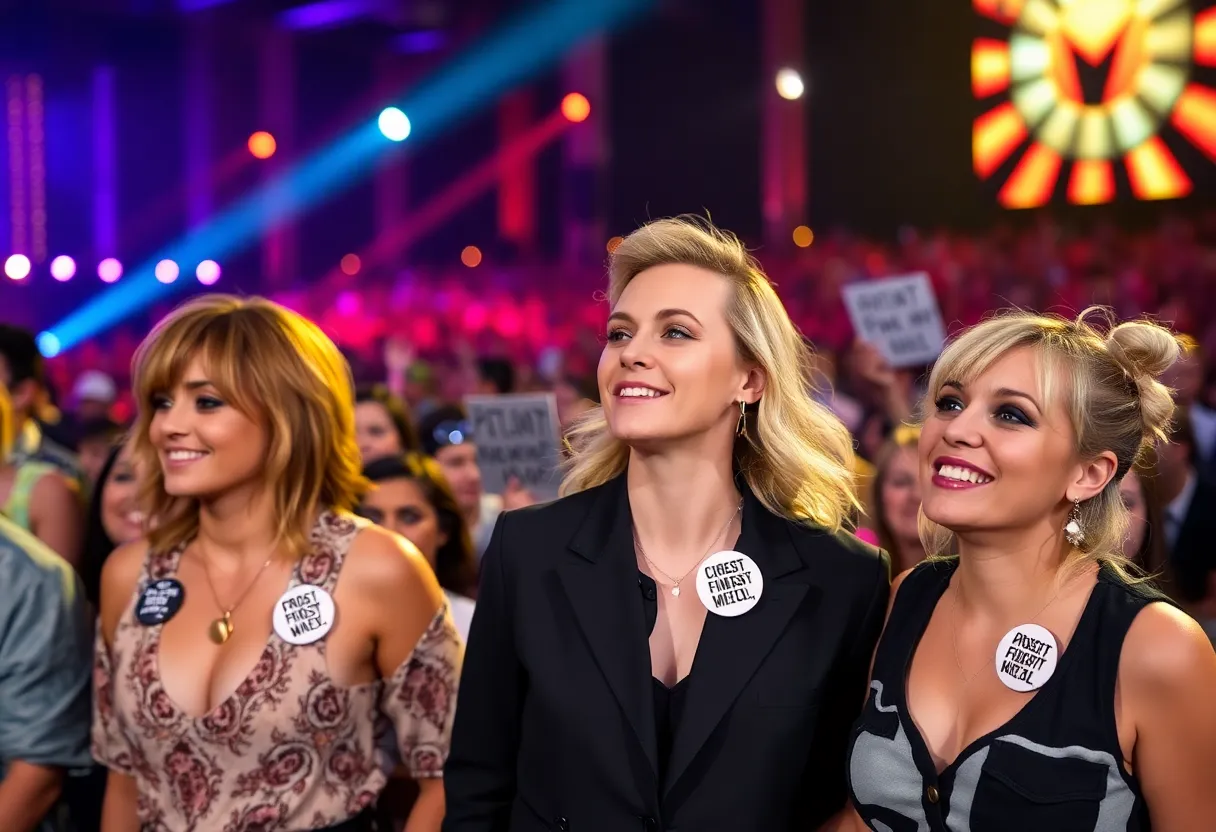
During the 68th Annual Grammy Awards, prominent artists like Billie Eilish, Bad Bunny, and Carole King used their platform to protest against the Trump administration’s immigration policies. Their actions, which included wearing protest pins and delivering impactful speeches, highlighted the challenges faced by immigrants and called for urgent reform. The event not only celebrated music but also served as a powerful venue for promoting social justice and immigrant rights, resonating with audiences and igniting crucial conversations around national identity and policy.
Los Angeles, CA – February 2, 2026
Grammys 2026: Stars Unite to Protest Immigration Policies
At the 68th Annual Grammy Awards, numerous artists harnessed their visibility to address growing concerns over immigration policies in the United States. With the entertainment industry as a vibrant stage for social commentary, musicians like Billie Eilish, Bad Bunny, and Carole King took decisive actions to spotlight the impact of key immigration reforms championed by the Trump administration. As they donned protest pins and made emphatic statements, their commitment to immigrant rights resonated deeply within the context of a national dialogue centered around the treatment of immigrants.
Beyond the glamorous awards ceremony, activism had a ripple effect throughout various cultural platforms, including the Sundance Film Festival, where actors expressed solidarity with creative but contentious stances against U.S. Immigration and Customs Enforcement (ICE). This wave of protest is indicative of a broader sentiment within the entertainment sector, where artistic platforms are increasingly being utilized to provoke thought and discussion around pivotal social issues.
Artists Make a Stand
At the heart of the Grammys, artists used their acceptance speeches to emphasize the humanity of immigrants. Bad Bunny’s triumphant moment was marked by a passionate acknowledgment of immigrant struggles, which set the tone for the night. As the first Spanish-language album winner of Album of the Year for “Debí Tirar Más Fotos,” his victory was symbolic of a cultural shift that celebrates diverse voices within the American music landscape.
Billie Eilish’s bold declaration that “no one is illegal on stolen land” stirred both applause and reflection, furthering the urgency of the topic. Notably, Olivia Dean, who received the Grammy for Best New Artist, spoke of her immigrant heritage, showcasing the personal connections many artists have to the issues at hand. These moments reflect not just individual sentiments but a collective understanding of the challenges faced by marginalized communities in today’s socio-political climate.
A Culture of Activism
This call for awareness among artists highlights both the courage and the potential risks they face when addressing contentious issues. Artistic expression is not free from constraints, as pressure from corporate sponsors and public opinion can often stifle dissent. Yet, amid such pressures, the Grammy stage served as a powerful venue for protest, reminiscent of artists’ historical roles in civil rights movements. With the ability to reach mass audiences, entertainers are uniquely positioned to influence public discourse.
Impact Beyond the Grammys
The activism witnessed at the Grammys transcended the event itself, echoing through other cultural gatherings. Figures like Natalie Portman and Olivia Wilde wore “ICE OUT” pins, demonstrating a cross-platform commitment to advocate for reform and humanitarian treatment of immigrants. As narratives surrounding immigration continue to evolve, the entertainment industry remains pivotal in expressing the need for empathy and systemic change in public policy.
Reflections on Recent Events
In a poignant extension of these sentiments, Bruce Springsteen has released a protest song titled “Streets of Minneapolis,” penned in response to the tragic shootings of two individuals by federal immigration agents. His lyrics resonate with critics of current policies and highlight issues of racial profiling within enforcement practices. The outcry surrounding federal actions has intensified calls for comprehensive reform and human rights considerations within immigration law.
The Significance of These Conversations
As we consider the broader implications of the showcased activism, it becomes clear that these moments serve as a catalyst for ongoing conversations about immigrant rights and national identity. The spotlight brought on by major events like the Grammys reveals that the intersection of cultural influence and socio-political issues is vital for driving change. Encouraging local businesses and entrepreneurs to engage with their communities can further foster an environment where diverse perspectives are heard and valued.
Conclusion
The 2026 Grammy Awards not only celebrated artistic talent but also reinforced the importance of social consciousness within the arts. As artists continue to leverage their platforms to advocate for marginalized communities, the growing dialogue around immigration issues reflects a society grappling with its values and policies. Recognizing these voices encourages San Diego and beyond to support local businesses, embrace diversity, and remain engaged in shaping a more inclusive future.
Frequently Asked Questions
What was the primary focus of Protest during the 2026 Grammys?
Numerous artists utilized their platform to protest the Trump administration’s aggressive immigration policies, particularly the mass deportation campaign in Minneapolis.
Which artists were noted for their protest actions?
Artists such as Billie Eilish, Bad Bunny, and Carole King wore protest pins and made public statements supporting immigrant rights and condemning U.S. Immigration and Customs Enforcement (ICE).
What significant award did Bad Bunny win at the Grammys?
Bad Bunny made history by winning Album of the Year for “Debí Tirar Más Fotos,” the first Spanish-language album to achieve this.
What recent event prompted Bruce Springsteen to release a protest song?
Bruce Springsteen released a protest song titled “Streets of Minneapolis” in response to the fatal shootings of Alex Pretti and Renee Good by federal immigration agents.
How did Olivia Dean connect her heritage to her Grammy acceptance speech?
During her acceptance speech for Best New Artist, Olivia Dean honored her immigrant heritage, emphasizing pride in her background.
Deeper Dive: News & Info About This Topic
HERE Resources

