

Washington, D.C., February 4, 2026
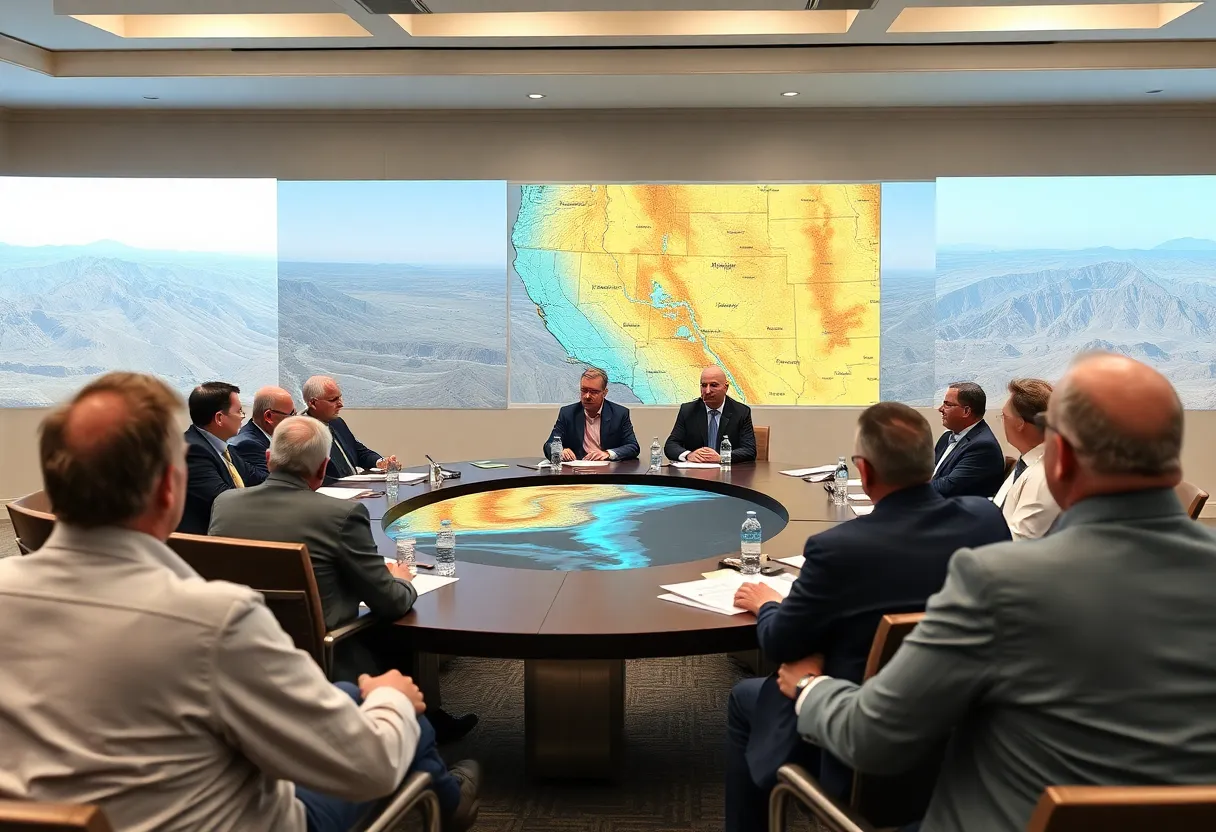
Governors and negotiators from seven Colorado River Basin states met in Washington, D.C., to discuss a new water-sharing agreement ahead of a federal deadline. The talks, characterized as productive, aimed to address long-standing disputes over water distribution amidst ongoing drought conditions. As February’s deadline approaches, the urgency for collaboration among states to ensure equitable water access becomes increasingly vital, with the stakes affecting various sectors and community stability.
Colorado River Basin States Face Deadline in Water Negotiations
Efforts Underway to Reach Consensus Among Basin States
Washington, D.C. – On January 30, 2026, governors and negotiators from seven Colorado River Basin states gathered in Washington, D.C., to discuss the critical future of the Colorado River, a vital resource for millions. This meeting sought to address ongoing water-sharing disputes and develop a new agreement ahead of a looming federal deadline of February 14, 2026. The discussions underscore the importance of local governance in managing shared resources and the potential for cooperation among states to bolster economic stability and environmental sustainability.
The attendees included the governors of all basin states except California, who was represented by Natural Resources Secretary Wade Crowfoot. The meeting, led by U.S. Interior Secretary Doug Burgum, marked a significant step towards finding common ground amid increasing pressures stemming from prolonged drought and dwindling water supplies.
Details from the Meeting
- Meeting Overview: The discussion lasted over two hours and was characterized as “productive” despite the absence of a formal agreement. Participants focused on water conservation measures and equitable distribution, acknowledging the diverse needs across urban areas, agriculture, and the environment.
- State Positions: Arizona Governor Katie Hobbs noted a growing willingness among upper basin states to consider water use reductions. However, she expressed skepticism about the feasibility of reaching a comprehensive agreement by the imminent deadline, indicating the complexities involved in reconciling the interests of different stakeholders.
Historical Context
The Colorado River Compact, established in 1922, serves as the foundational agreement that allocates water rights among the seven basin states: Arizona, California, Colorado, Nevada, New Mexico, Utah, and Wyoming. With current operating guidelines set to expire at the end of 2026, the urgency to formulate a new agreement is palpable. Prolonged drought conditions and diminishing water levels in major reservoirs such as Lake Mead and Lake Powell enhance the stakes of these negotiations.
Should the states fail to reach a consensus by the February 14 deadline, the federal government may be compelled to intervene. This scenario could lead to imposed water cuts, impacting various sectors and potentially resulting in legal disputes over resource management.
Implications of Negotiations
As the negotiations unfold, the outcomes will substantially influence water management strategies in the coming years. Each state brings its unique priorities, and the challenge lies in harmonizing those priorities to achieve a sustainable future for all stakeholders involved. Stakeholders across the basin emphasize the need for collaboration to foster goodwill and prevent potentially adversarial legal battles over water rights.
The ongoing discussions highlight an opportunity for local leaders to stand strong in negotiations, showcasing entrepreneurial innovation and resilience in addressing water scarcity. By fostering a cooperative spirit, the basin states can serve as a model for other regions grappling with resource management challenges.
Conclusion
As the February deadline approaches, the urgency and complexity of the situation cannot be overstated. The meeting in Washington, D.C., represents a pivotal moment for the seven Colorado River Basin states. Collaborative efforts will be essential in navigating these challenges and ensuring equitable water access for all. Community engagement and proactive leadership remain crucial as stakeholders work towards a sustainable water future. Local entrepreneurs and agricultural interests in San Diego and beyond should closely monitor these developments, as the decisions made at this juncture will resonate throughout the region’s economy and environment.
FAQ
What is the Colorado River Compact?
The Colorado River Compact, established in 1922, allocates water rights among the seven basin states: Arizona, California, Colorado, Nevada, New Mexico, Utah, and Wyoming. It serves as the foundational agreement for managing the river’s water distribution.
What is the significance of the February 14, 2026, deadline?
The February 14, 2026, deadline set by the Bureau of Reclamation is crucial for the seven Colorado River Basin states to reach a new water-sharing agreement. Failure to meet this deadline may result in federal intervention and potential legal disputes.
What are the potential consequences if the states do not reach an agreement?
If the states fail to reach a consensus by the deadline, the federal government may impose water cuts and manage the river’s resources, potentially leading to legal disputes and affecting water availability for various stakeholders.
Key Features
| Feature | Description |
|---|---|
| Meeting Date | January 30, 2026 |
| Location | Washington, D.C. |
| Participants | Governors and negotiators from Arizona, California, Colorado, Nevada, New Mexico, Utah, and Wyoming |
| Objective | Develop a new water-sharing agreement before the February 14, 2026, federal deadline |
| Current Status | No formal agreement reached; ongoing negotiations |
| Potential Consequences | Federal intervention and legal disputes if no agreement is reached by the deadline |
Deeper Dive: News & Info About This Topic
HERE Resources
Mexico Increases Water Deliveries to the U.S. Amid Drought

