

California, September 24, 2025
News Summary
California has enacted new legislation aimed at stabilizing its oil supply as refinery closures and rising gas prices affect residents. Governor Gavin Newsom signed a bill that expedites the approval of 2,000 new oil wells annually in Kern County, a key area for oil production. This measure comes as gas prices in California reach an average of $4.65 per gallon, notably higher than the national average. The legislation seeks to diversify fuel sources while addressing ongoing climate challenges and maintaining affordable energy for residents.
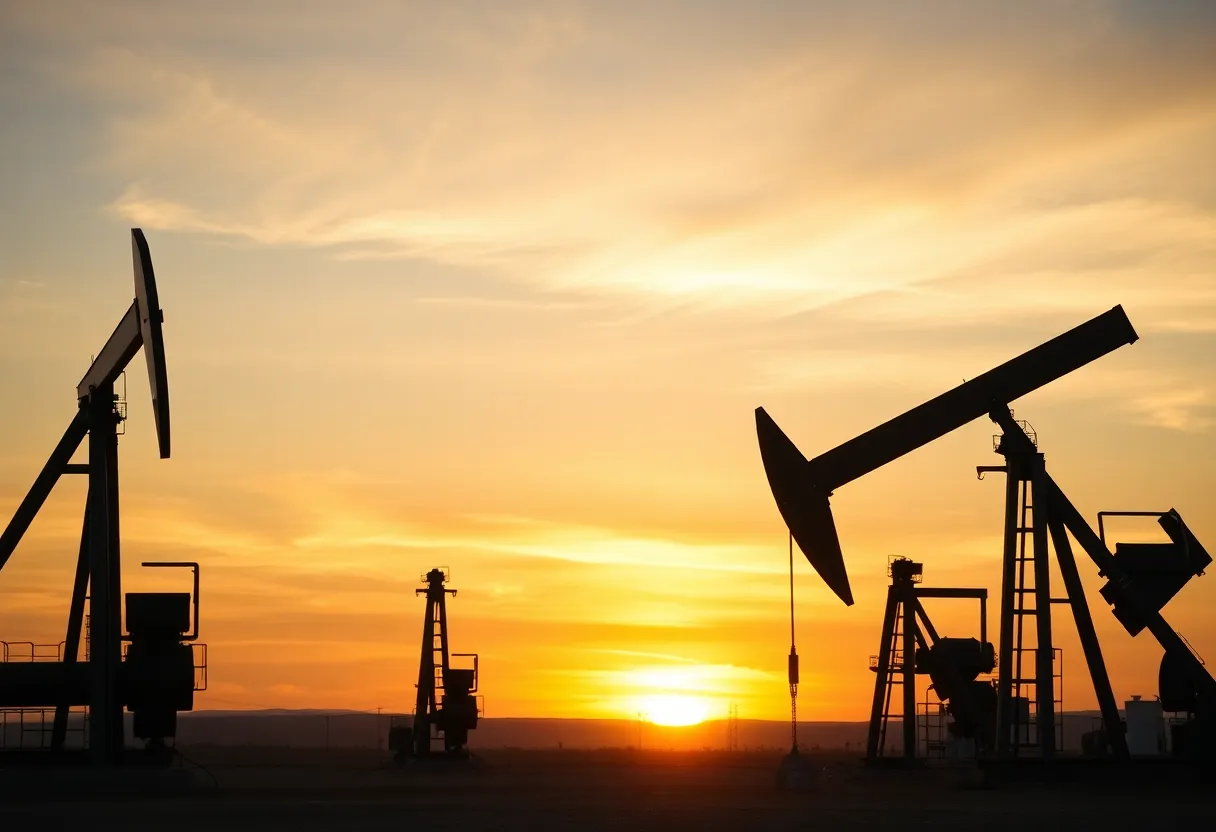
California has officially enacted legislation aimed at stabilizing its oil supply amid ongoing refinery closures and rising gas prices. Governor Gavin Newsom signed legislation that will expedite approvals for 2,000 new oil wells per year in Kern County, a crucial area for oil production in the state. This move comes as California residents currently face an average gas price of $4.65 per gallon, significantly higher than the national average of $3.17.
As part of the measures to address rising fuel costs, the number of operational refineries in California is slated to decrease from 13 to 11 due to the planned closures of Valero and Phillips 66 facilities. This marks a dramatic decline from the 40 refineries that existed in California in 1983, demonstrating a substantial reduction in local refining capacity over the years.
Governor Newsom emphasized that this legislative initiative aims to stabilize California’s gasoline supply and avert severe price hikes at the pump. The new policies are intended to diversify the state’s fuel supply while also stabilizing petroleum markets amidst significant shifts in the energy landscape.
Industry leaders, including Chevron’s president of Americas products, have expressed their concerns regarding the challenging business climate in California. The state has seen a marked exodus of oil companies, leading to an increased dependence on foreign oil sources for three-quarters of its needs.
This recent legislation follows California’s broader legislative package addressing the transition to green energy while striving to maintain affordable energy costs for residents. Notably, a specific bill within the new legislation has been designed to ease regulations on oil production in Kern County, which has been described as “targeted and environmentally responsible.”
Additionally, California’s cap-and-trade program will continue until 2045, redirecting funds toward climate-friendly initiatives. The state’s Wildfire Fund has also been updated to enhance support for utilities addressing wildfire liabilities.
Despite these legislative efforts, advocacy groups have raised concerns, arguing that the adjustments jeopardize the state’s climate objectives and could disproportionately affect communities living near refineries. Consumer Watchdog has articulated dissatisfaction with the new measures, asserting they may lead to higher costs for consumers rather than effectively addressing the core issues at hand.
The California Energy Commission’s decision to postpone proposed penalties for excessive profits within the oil industry marks a significant turn in regulatory strategy, aimed at fostering a cooperative relationship between the state and oil enterprises. Previously, Governor Newsom had promoted a ban on new gas-powered vehicles by 2035, a proposal that encountered federal pushback.
The challenge California faces involves balancing its refining capacity issues while seeking a sustainable transition away from fossil fuels, all while ensuring that residents are not burdened by escalating costs. They hope the recent policy changes will pave the way for collaboration between state authorities and oil companies going forward.
Key Facts
- Legislation signed by Governor Newsom to fast-track oil well approvals in Kern County.
- California residents face an average gas price of $4.65 per gallon compared to $3.17 nationwide.
- Operational refineries in California to decrease from 13 to 11 with closures of Valero and Phillips 66.
- California’s oil companies are increasingly reliant on foreign sources for oil supply.
- Legislation aims to stabilize gasoline supply and promote energy diversity while addressing climate challenges.
FAQ
What recent legislation has been enacted in California regarding oil production?
Governor Gavin Newsom signed legislation that fast-tracks the approval of 2,000 new oil wells per year over the next decade in Kern County.
What is the current average price of gasoline in California?
California residents currently pay an average of $4.65 for a gallon of regular gasoline, significantly higher than the national average of $3.17.
How many operational refineries are there in California currently?
The number of operational refineries in California is set to decrease from 13 to 11 with the planned closures of Valero and Phillips 66 facilities.
Why is there concern regarding the new oil legislation?
Advocacy groups have criticized the latest developments, arguing that they jeopardize the state’s climate goals and disproportionately impact communities near refineries.
Summary Chart of Key Features
| Feature | Details |
|---|---|
| Legislation Enacted | Fast-tracks approval of 2,000 new oil wells per year in Kern County. |
| Average Gas Price | $4.65 per gallon in California versus $3.17 nationwide. |
| Operational Refineries | Decreasing from 13 to 11 due to planned closures. |
| Oil Dependency | California now relies on foreign sources for three-quarters of its oil. |
| Goals of Legislation | Stabilize gasoline supply and diversify fuel sources. |
Deeper Dive: News & Info About This Topic
- CBS News: Newsom Signs California Climate Legislation
- Wikipedia: California Energy Efficiency
- Politico: California’s Energy Package Changes
- Google Search: California Green Energy
- LA Times: California Gasoline Costs and Pollution
- Google Scholar: California Oil Refineries
- ABC7 News: California Energy Regulators Pause Efforts
- Encyclopedia Britannica: Environmental Policy