

San Diego, December 27, 2025
Starting January 1, new public safety laws in California will impact e-bike regulations, school zone speed limits, and autonomous vehicle safety standards. Among the significant changes, e-bikes must have enhanced visibility measures, while local authorities can reduce school zone speed limits to improve safety for children. These new regulations demonstrate California’s commitment to adapting to evolving transportation challenges.
New California Laws Taking Effect in 2026: Potential Speed Limit Changes, E-Bike Regulations, and More
San Diego, California – Starting January 1, 2026, several new public safety laws will be implemented in California, impacting areas such as electric bicycles (e-bikes), school zones, and autonomous vehicles (AVs). The California Highway Patrol (CHP) has highlighted these changes to ensure public awareness and compliance.
Electric Bicycle Safety Enhancements
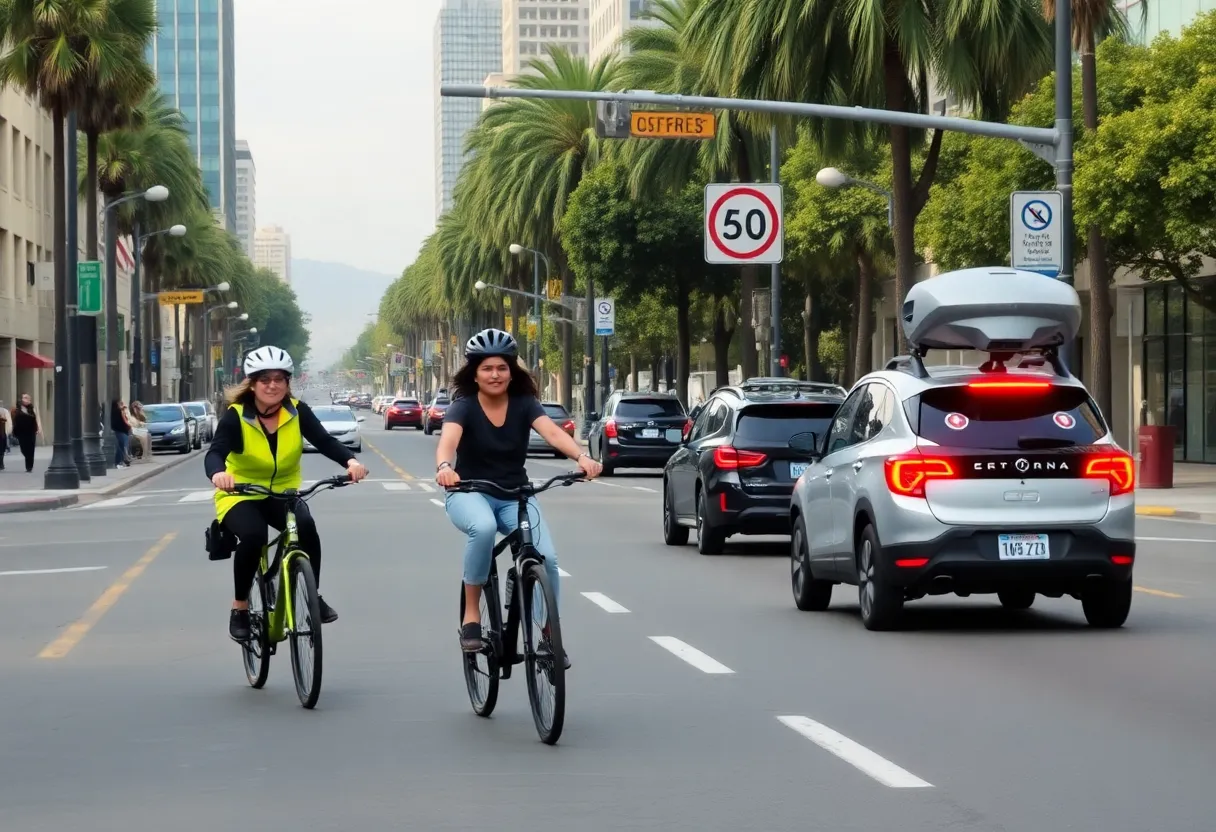
Assembly Bill 544 (AB 544) introduces new requirements for e-bike riders. Effective January 1, 2026, all e-bikes must be equipped with a red reflector or a solid or flashing red light with a built-in reflector on the rear at all times, not just during darkness as previously mandated. This measure aims to enhance visibility and safety for e-bike riders on the road.
Assembly Bill 1774 (AB 1774) prohibits the sale of devices or applications that can modify an e-bike’s speed capabilities. This law addresses concerns over unsafe modifications and ensures that e-bikes remain within legal speed limits, promoting safer riding conditions for all road users.
School Zone Speed Limit Adjustments
Local governments now have the authority to reduce speed limits in school zones from 25 mph to 20 mph by posting appropriate signage. This change is intended to increase safety for children and pedestrians in school areas, providing a safer environment for students and the community.
Autonomous Vehicle (AV) Regulations
New regulations concerning autonomous vehicles are set to take effect, focusing on safety standards and operational guidelines. These measures aim to ensure that AVs operate safely on California roads, addressing public concerns and promoting trust in emerging transportation technologies.
Background Context
These legislative changes reflect California’s ongoing commitment to public safety and adapting to evolving transportation technologies. By implementing these laws, the state seeks to address emerging challenges and enhance the safety and well-being of its residents.
Key Features of the New Laws
| Law | Effective Date | Key Provisions |
|---|---|---|
| Assembly Bill 544 (AB 544) | January 1, 2026 | Requires e-bike riders to equip bikes with a red reflector or a solid or flashing red light with a built-in reflector on the rear at all times. |
| Assembly Bill 1774 (AB 1774) | January 1, 2026 | Prohibits the sale of devices or applications that can modify an e-bike’s speed capabilities. |
| School Zone Speed Limit Adjustments | January 1, 2026 | Allows local governments to reduce speed limits in school zones from 25 mph to 20 mph by posting appropriate signage. |
| Autonomous Vehicle Regulations | January 1, 2026 | Implements new safety standards and operational guidelines for autonomous vehicles operating on California roads. |
Frequently Asked Questions (FAQ)
What is Assembly Bill 544 (AB 544) and how does it affect e-bike riders?
AB 544 requires e-bike riders to equip their bikes with a red reflector or a solid or flashing red light with a built-in reflector on the rear at all times, effective January 1, 2026. This measure aims to enhance visibility and safety for e-bike riders on the road.
What does Assembly Bill 1774 (AB 1774) prohibit regarding e-bikes?
AB 1774 prohibits the sale of devices or applications that can modify an e-bike’s speed capabilities. This law addresses concerns over unsafe modifications and ensures that e-bikes remain within legal speed limits, promoting safer riding conditions for all road users.
How can local governments adjust speed limits in school zones under the new laws?
Local governments now have the authority to reduce speed limits in school zones from 25 mph to 20 mph by posting appropriate signage. This change is intended to increase safety for children and pedestrians in school areas, providing a safer environment for students and the community.
What new regulations are being implemented for autonomous vehicles in California?
New regulations concerning autonomous vehicles are set to take effect, focusing on safety standards and operational guidelines. These measures aim to ensure that AVs operate safely on California roads, addressing public concerns and promoting trust in emerging transportation technologies.
Why are these new laws being implemented in California?
These legislative changes reflect California’s ongoing commitment to public safety and adapting to evolving transportation technologies. By implementing these laws, the state seeks to address emerging challenges and enhance the safety and well-being of its residents.
Deeper Dive: News & Info About This Topic
HERE Resources
Deputy-Involved Shooting Near Imperial Beach Pier
Retailers and Restaurants Announce Major Closures
CHP Launches Holiday Enforcement to Promote Safe Driving
Fatal Collision on San Elijo Road in San Marcos
Milky Fire Erupts in San Diego County
Investigation Launched into Klarna Group plc Over Securities Violations
San Diego Woman Files Lawsuit After Tripping on Handhole Cover
San Diego County Operation Rescues 19 Victims from Sex Trafficking
Federal Judge Blocks California Policy on Student Gender Identity Disclosure
Community Takes Action: Mental Health Awareness at Torrey Pines High

