

Los Angeles County, November 24, 2025
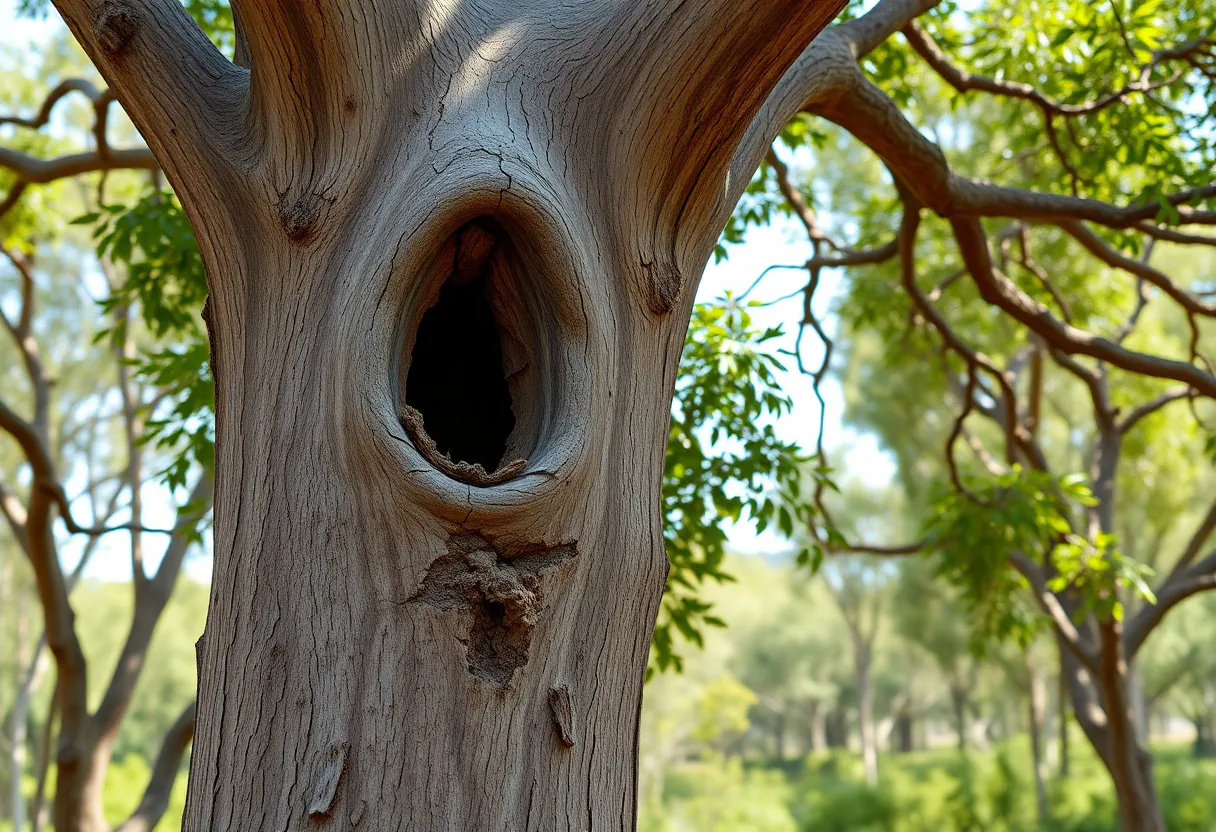
Los Angeles County is experiencing a significant threat to its oak trees due to invasive species like the Goldspotted Oak Borer (GSOB) and the Mediterranean Oak Borer (MOB). These beetles attack and damage mature oak trees, leading to their decline and potential death. Local oak populations are vital for biodiversity, and their preservation is of utmost importance. Residents are urged to monitor their oak trees for signs of infestation and avoid moving infested firewood to mitigate further spread.
Los Angeles County Faces Threat from Invasive Oak Beetles
Los Angeles County is confronting a significant threat to its oak trees due to the presence of invasive beetle species. The Goldspotted Oak Borer (GSOB) and the Mediterranean Oak Borer (MOB) have been identified in the region, posing risks to the health of local oak populations.
Goldspotted Oak Borer (GSOB) Detected in Los Angeles County
The Goldspotted Oak Borer (GSOB) (Agrilus auroguttatus) is an invasive beetle native to southeastern Arizona. It was first detected in San Diego County in 2008 and has since spread to other parts of Southern California, including Los Angeles County. GSOB primarily targets mature oak trees, such as coast live oak, California black oak, and canyon live oak. The beetle infests the trees by boring into the bark, creating D-shaped exit holes approximately 1/8 inch wide. This activity disrupts the tree’s vascular system, leading to crown thinning, bleeding sap, and eventually tree mortality. The spread of GSOB is largely attributed to the movement of infested firewood. In Los Angeles County, infestations have been reported in areas like Green Valley within the Angeles National Forest. The presence of GSOB poses a significant threat to the region’s oak woodlands, which are vital for local biodiversity and ecosystem health.
Mediterranean Oak Borer (MOB) Spreads in California
The Mediterranean Oak Borer (MOB) (Xyleborus monographus) is another invasive beetle species that has been detected in various parts of California, including Los Angeles County. Native to the Mediterranean region, MOB primarily attacks stressed oak trees, especially valley oak, blue oak, and Oregon white oak. The beetle bores into the wood, creating tunnels where it cultivates symbiotic fungi for nourishment. This process damages the tree’s vascular system, leading to dieback and, in severe cases, tree death. MOB was first identified in Napa County in 2019 and has since been found in multiple counties, including Los Angeles. The spread of MOB is concerning due to its potential impact on oak populations and the broader forest ecosystem.
Implications for Los Angeles County
The presence of both GSOB and MOB in Los Angeles County underscores the vulnerability of local oak trees to invasive pests. Oak trees are integral to the region’s ecosystem, providing habitat and food for various wildlife species. The decline or loss of these trees could have cascading effects on biodiversity and ecosystem stability. Additionally, oak trees hold cultural significance for local communities, making their preservation a priority. The spread of these invasive beetles highlights the need for increased monitoring, public awareness, and management strategies to protect oak populations in the region.
Preventive Measures and Recommendations
To mitigate the impact of GSOB and MOB, residents and landowners are advised to:
- Inspect oak trees regularly for signs of infestation, such as D-shaped exit holes, bleeding sap, and crown thinning.
- Avoid moving firewood from infested areas to prevent the spread of these beetles.
- Consult with local agricultural commissioners or UC Cooperative Extension offices if signs of infestation are observed.
- Participate in community education programs to raise awareness about invasive pests and their impact on local ecosystems.
By taking these proactive steps, the community can contribute to the preservation of Los Angeles County’s oak trees and the health of its natural environment.
Frequently Asked Questions (FAQ)
What are the Goldspotted Oak Borer (GSOB) and Mediterranean Oak Borer (MOB)?
The Goldspotted Oak Borer (GSOB) (Agrilus auroguttatus) and the Mediterranean Oak Borer (MOB) (Xyleborus monographus) are invasive beetle species that infest oak trees, leading to their decline and potential death.
Where have GSOB and MOB been detected in Los Angeles County?
GSOB has been reported in areas like Green Valley within the Angeles National Forest. MOB has been detected in various parts of California, including Los Angeles County.
What are the signs of infestation by these beetles?
Signs include D-shaped exit holes approximately 1/8 inch wide, bleeding sap, crown thinning, and overall tree decline.
How can the spread of these beetles be prevented?
Residents should avoid moving firewood from infested areas, inspect oak trees regularly for signs of infestation, and consult with local agricultural commissioners or UC Cooperative Extension offices if signs are observed.
Why are oak trees important to Los Angeles County?
Oak trees are vital to the region’s ecosystem, providing habitat and food for various wildlife species. They also hold cultural significance for local communities.
Key Features of the Invasive Oak Beetle Threat in Los Angeles County
| Feature | Details |
|---|---|
| Invasive Species | Goldspotted Oak Borer (GSOB) and Mediterranean Oak Borer (MOB) |
| Primary Hosts | Coast live oak, California black oak, canyon live oak, valley oak, blue oak, Oregon white oak |
| Signs of Infestation | D-shaped exit holes (~1/8 inch wide), bleeding sap, crown thinning, tree decline |
| Spread Mechanism | Movement of infested firewood |
| Management Recommendations | Avoid moving firewood, inspect oak trees regularly, consult local agricultural commissioners or UC Cooperative Extension offices if signs are observed |
Deeper Dive: News & Info About This Topic
HERE Resources

