

San Diego, February 11, 2026
Privacy organizations are urging Governor Gavin Newsom to dismantle a covert network of license plate readers in Southern California. These devices, often concealed within traffic equipment, are used by the U.S. Border Patrol to monitor motorists’ activities. Advocacy groups have expressed concerns over potential violations of civil liberties and the legality of using such surveillance technologies. They seek an immediate investigation into the permits issued for these license plate readers, highlighting the implications for privacy rights within the state.
Privacy Advocates Call for Dismantling Covert License Plate Readers in San Diego
Concerns Grow Over Surveillance Technology’s Impact on Civil Liberties
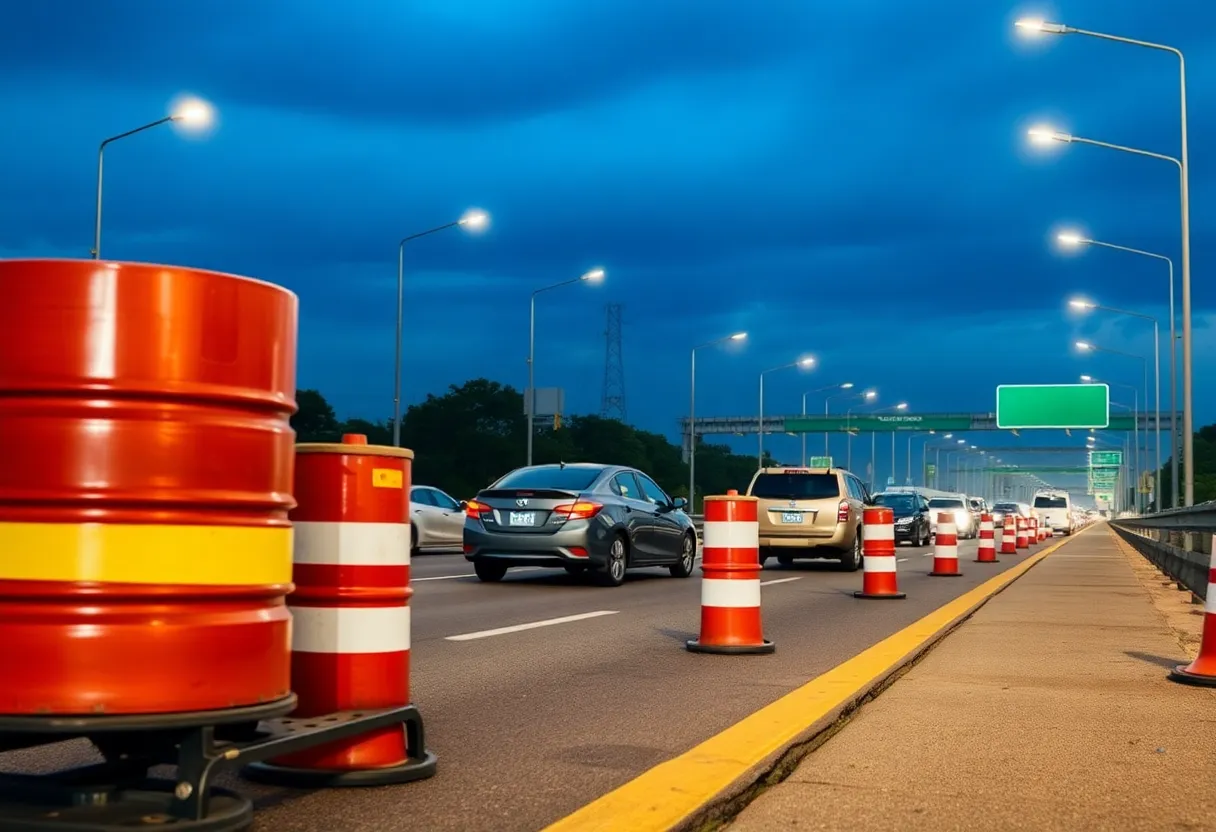
San Diego, California – Privacy and advocacy organizations are currently urging California Governor Gavin Newsom to dismantle a covert network of license plate readers (LPRs) deployed across Southern California. These surveillance devices, often hidden within traffic equipment like construction barrels, have reportedly been used by the U.S. Border Patrol in conjunction with a controversial predictive intelligence program that analyzes motorists’ travel patterns. An investigation has uncovered that the data obtained from these devices is leveraged to identify and potentially detain drivers based on behavior deemed suspicious, which includes brief trips in border regions.
In a letter directed to Governor Newsom, over two dozen organizations, including notable names like the Electronic Frontier Foundation and Imperial Valley Equity and Justice, are demanding an immediate investigation into the permits issued for these devices. Many of these permits have been authorized by the California Department of Transportation, specifically for the Border Patrol and the Drug Enforcement Administration (DEA), with claims that the DEA shares its data with Border Patrol. Critics assert that this large-scale surveillance could infringe upon individuals’ Fourth Amendment rights and may be unconstitutional. While courts have upheld certain forms of license plate surveillance, the debate continues regarding the legality and scope of predictive surveillance programs. Thus far, the California Governor’s office and federal agencies have not offered a public response to these criticisms.
The Surveillance Debate: Balancing Safety and Privacy
The ongoing controversy surrounding covert LPRs emphasizes the complex dialogue over privacy and surveillance in California. Proponents of such technologies argue that they are crucial for maintaining public safety and preventing crime. However, privacy advocates argue that these systems present severe risks to civil liberties and personal freedoms. The implications of this situation may set important precedents regarding the broader use of surveillance technologies throughout the state, influencing future policies on privacy rights and law enforcement practices.
Defining Covert License Plate Readers (LPRs)
Covert license plate readers are surveillance devices designed to capture and record vehicle license plate information. In the current context, these devices are strategically concealed within traffic equipment to monitor motorists without their consent. This raises significant ethical and legal questions about the right to privacy.
Public Reaction and Advocacy Actions
The letter sent to Governor Newsom is a clear indication of heightened public concern. Members of the advocacy community are calling for a thorough investigation into the authorization of these surveillance devices, as well as the practices surrounding their use. Many community members worry about the implications this data collection has on their daily lives, expressing a strong desire for transparency and accountability in surveillance initiatives.
Responses from State and Federal Agencies
As this situation unravels, it remains to be seen how the California Governor’s office and federal agencies will react to the mounting pressure from privacy advocates. No public statements or actions have been reported thus far, leaving many to speculate about the potential impact on future legislative efforts related to privacy and surveillance technologies.
Key Features of the Covert License Plate Readers Issue
| Feature | Description |
|---|---|
| Location | Southern California, particularly San Diego and Imperial counties |
| Devices Used | License plate readers concealed within traffic equipment like construction barrels |
| Agencies Involved | U.S. Border Patrol, Drug Enforcement Administration (DEA), California Department of Transportation |
| Privacy Concerns | Potential violations of Fourth Amendment rights, large-scale surveillance without public knowledge |
| Actions Taken | Letter sent to Governor Gavin Newsom urging investigation and removal of devices |
Conclusion
As concerns over privacy continue to gain traction, the outcome of this debate will likely play a critical role in shaping the future of surveillance practices within California. Stakeholders are encouraged to remain informed and engaged in this important dialogue. Community involvement and entrepreneurial innovation are vital for navigating the balance between safety and privacy rights, fostering a spirit of accountability and resilience in local governance.
Frequently Asked Questions (FAQ)
What are covert license plate readers (LPRs)?
Covert license plate readers are surveillance devices designed to capture and record vehicle license plate information. In this case, they are concealed within traffic equipment like construction barrels to monitor motorists’ travel patterns without their knowledge.
Why are privacy organizations concerned about these devices?
Privacy organizations are concerned that the data collected by these devices is used by the U.S. Border Patrol in a predictive intelligence program to monitor and detain drivers based on potentially suspicious behavior, such as short border-region trips. This raises concerns about potential violations of Fourth Amendment rights and the legality of such surveillance programs.
What actions are being taken in response to these concerns?
More than two dozen privacy and advocacy organizations have sent a letter to Governor Gavin Newsom, urging him to investigate the permits for these devices, revoke them, and initiate their removal. They also call for an investigation into the sharing of data between the DEA and the Border Patrol.
Have state and federal agencies responded to these concerns?
As of now, the California Governor’s office and federal agencies have not publicly responded to the criticism regarding the covert license plate readers and the associated surveillance practices.
Deeper Dive: News & Info About This Topic
HERE Resources
San Diego Sheriff Continues Transfers to ICE Amid Restrictions
Robbery Suspects Arrested After High-Speed Pursuit in San Marcos
Privacy Advocates Express Concerns Over Government Database Usage
Governor Newsom’s Final Year: Impact on California’s Future
Border Patrol Agents Intercept Fentanyl Shipment in San Diego
E-Bicyclist Critically Injured in Collision with Drunk Driver
Arizona Wildcats Triumph Over SDSU in Dominant Fashion
Tragic Shooting Incident Highlights Challenges in Mental Health Responses
Valley Center Residents Arrested for Porch and Mail Theft
The English Beat Captivates Fans at Belly Up

