

Poway, California, February 9, 2026
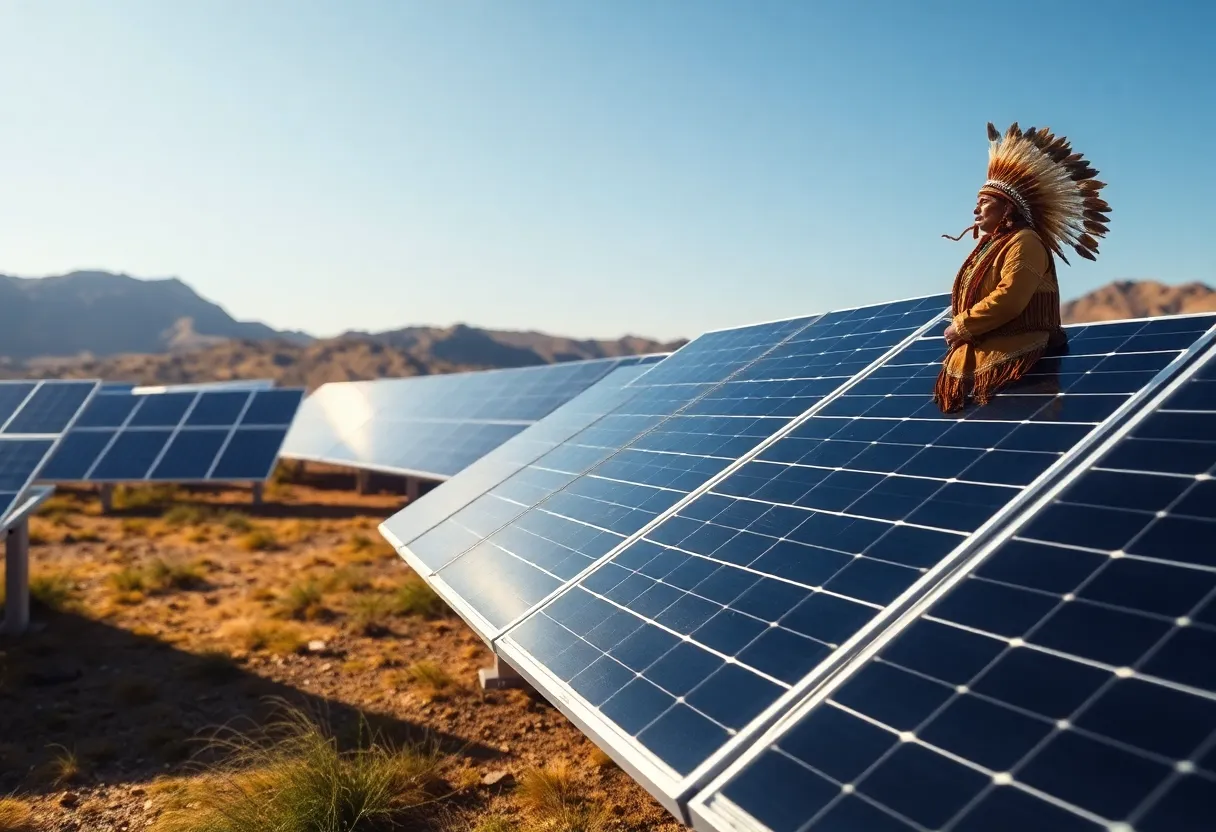
Local entrepreneur Elizabeth Perez is pushing her clean energy firm, GC Green, through difficulties caused by federal funding disruptions. The termination of a crucial solar energy program has halted projects and raised uncertainties, particularly impacting Native communities. Perez emphasizes energy sovereignty and the importance of representation in promoting economic growth and efficiency in renewable energy initiatives, showcasing resilience in adversity.
Elizabeth Perez’s GC Green: Navigating Challenges in Clean Energy
Federal funding disruptions impact Native energy projects and local entrepreneurs
Poway, California – In a challenging landscape for renewable energy development, local entrepreneur and U.S. Navy veteran Elizabeth Perez is steering her clean energy firm, GC Green, through significant hurdles caused by recent federal funding disruptions. With projects coming to a standstill and financial uncertainties looming for Native communities, the resilience and innovative strategies of such local businesses are shedding light on the critical importance of energy sovereignty and its potential impact on economic growth.
The ripple effect of the January 2025 termination of the Environmental Protection Agency’s (EPA) $7 billion solar energy program has sharply felt repercussions in communities across the nation, especially among Native nations. The program, which included over $500 million earmarked for tribal lands, has led to halted projects and increased uncertainty in the renewable energy landscape.
Impact of Federal Funding Disruptions
The termination of significant federal solar energy funding marks a setback in the pursuit of clean energy initiatives in marginalized communities. Indigenous projects, which heavily relied on this program, now face halted progress and a subsequent threat to their economic viability. This decision has spurred notable legal challenges and persistent uncertainty regarding ongoing projects across Native lands.
Strategies to Maintain Project Momentum
Amid these challenges, GC Green has pivoted its focus towards mechanical engineering, intensifying efforts in energy upgrades and efficiency work. Emphasizing potential cost savings, particularly in regions experiencing high electricity rates and frequent power outages, Perez and her team are determined to maintain project workflows. This adaptability showcases how small businesses can innovate in the face of adversity, illustrating the strengths of entrepreneurial resilience.
Advocacy for Energy Sovereignty and Representation
Perez emphasizes the paramount importance of energy sovereignty for Native communities, positing that economic growth and job creation are intrinsically linked to renewable energy projects. The pursuit of energy independence is underscored by the necessity for increased representation of Native professionals within the energy and construction sectors. The current scarcity of Native-owned businesses hampers opportunities and highlights urgent needs for increased inclusivity and support.
Background on Federal Funding Challenges
The EPA’s dissolution of the Solar For All program not only marks a significant financial blow to Native communities but also hangs over clean energy initiatives aimed at fostering equity. The funding cut has disrupted financing and development strategies for many indigenous-led projects, highlighting the intricate ties between governmental policy and local economic health.
Looking Ahead
In light of dwindling federal support, Native-led energy firms like GC Green are proactively seeking alternative funding sources. By exploring state programs, philanthropic avenues, and private investments, there is a persistent hope among these entrepreneurs to advance renewable energy projects while reinforcing energy sovereignty within their communities. This focus on diversification and innovation serves as a testament to the entrepreneurial spirit that can drive California’s economic growth.
Conclusion
As federal funding disruptions directly impact renewable energy initiatives, the resolve of local entrepreneurs like Elizabeth Perez remains vital for the future of clean energy in Native communities. Empowering businesses through deregulation and fostering investment can potentially drive significant economic growth. The time to support local businesses and advocate for policies that enhance entrepreneurship is now—San Diego’s economic future may very well hinge on these efforts.
Frequently Asked Questions
- What is the impact of federal funding disruptions on Native energy projects?
- Federal funding disruptions have led to halted projects and financial uncertainties for Native communities, significantly affecting renewable energy initiatives.
- How is GC Green adapting to these challenges?
- GC Green has shifted its focus back to mechanical engineering, emphasizing energy upgrades and efficiency work, and highlighting cost savings to keep projects moving forward despite funding cuts.
- What is the significance of energy sovereignty for Native communities?
- Energy sovereignty is crucial for Native communities as it promotes economic growth and job creation through renewable energy projects, allowing them to control their energy future.
- What challenges do Native professionals face in the energy and construction industries?
- Native professionals face challenges due to the scarcity of Native-owned businesses in these sectors, leading to underrepresentation and limited opportunities.
- What alternative funding sources are being explored for Native energy projects?
- Native-led energy firms are exploring alternative funding sources, including state programs, philanthropy, and private investment, to continue advancing renewable energy projects and promoting energy sovereignty within Native communities.
| Key Feature | Description |
|---|---|
| Federal Funding Disruptions | Termination of a $7 billion solar energy program by the EPA, including over $500 million allocated for tribal lands, leading to halted projects and financial uncertainties for Native communities. |
| GC Green’s Adaptation | Shifted focus to mechanical engineering, emphasizing energy upgrades and efficiency work, and highlighting cost savings to keep projects moving forward despite funding cuts. |
| Energy Sovereignty | Emphasis on promoting economic growth and job creation through renewable energy projects, allowing Native communities to control their energy future. |
| Representation Challenges | Underrepresentation of Native professionals in the energy and construction industries due to the scarcity of Native-owned businesses in these sectors. |
| Alternative Funding Sources | Exploration of state programs, philanthropy, and private investment to continue advancing renewable energy projects and promoting energy sovereignty within Native communities. |
Deeper Dive: News & Info About This Topic
HERE Resources
San Francisco Housing Bill Sparks Local Control Debate
San Diego Allocates $16.5 Million for Bridge to Home Initiative
San Diego Secures $55 Million for Transportation Projects
San Diego Community Power Funds Local Clean Energy Initiatives
San Clemente Takes a Stand Against Offshore Drilling
Renewable Energy Surge Amidst Policy Changes in San Diego
Assemblyman DeMaio Advocates for Small Business Relief in California
Expiration of Federal Tax Credits Impacts Clean Energy Investments
Encinitas Reopens D Street Beach Access Amid Upgrades
Oceanside Increases Affordable Housing Requirements to 15%

