

San Diego, January 28, 2026
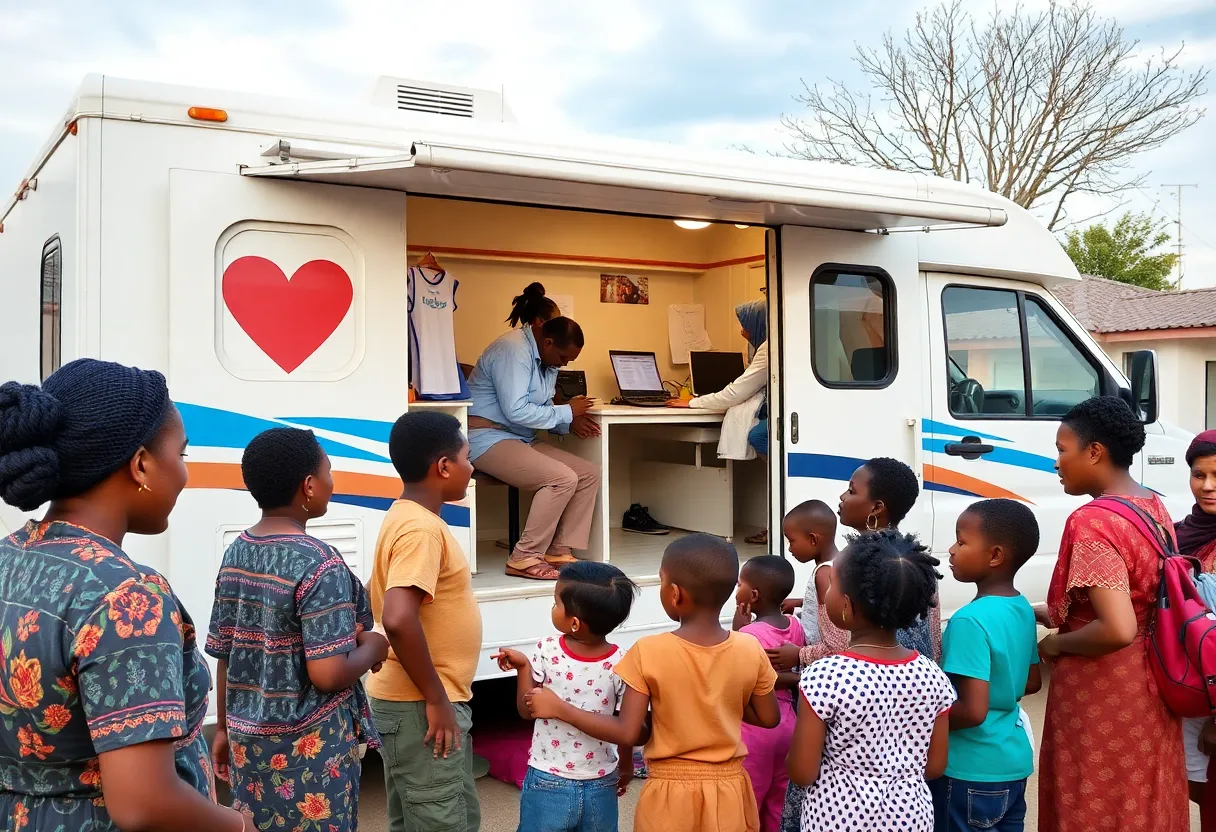
UC San Diego Health’s Mobile Health Program has launched two medical RVs designed to deliver quality healthcare and social services to underserved communities. The mobile units, including a General Mobile Clinic and a Mammography Mobile Clinic, adapt to meet community needs, focusing on essential screenings and health education. They provide free services like diabetes screening and 3D mammograms while engaging students in hands-on learning experiences.
San Diego, CA – UC San Diego’s Mobile Health Units Expand Services to Underserved Communities
UC San Diego Health’s Mobile Health Program has launched two medical RVs to deliver high-quality care directly to under-resourced communities, increasing access to health care and social services by meeting people where they are.
The program’s two medical RVs function as compact clinics and laboratories. The General Mobile Clinic conducts diabetes and cardiovascular disease screening and adapts its services to meet the changing needs of communities. It also partners with campus and community groups such as the Owen Clinic, which provides HIV prevention medication through the clinic.
The Mammography Mobile Clinic provides 3D mammograms and breast health education to people who may lack access to screenings, particularly in remote or underserved areas, supporting early detection and cancer prevention efforts.
Students from medicine, nursing, pharmacy, and public health gain hands-on experience while supporting the clinic’s work.
EyeMobile for Children has been providing vision screenings to more than 238,000 children and giving out 19,285 pairs of glasses, all at no cost to families.
Mobile Assessment of Drugs and Driving Impairment (MADDI) program launched a new investigation in fall 2025 to examine how high-THC products such as vape pens and dabbing wax affect driving.
These initiatives reflect UC San Diego Health’s commitment to enhancing health equity and community engagement by bringing essential medical services and research directly to those in need.
Services Offered by UC San Diego’s Mobile Health Units
UC San Diego’s Mobile Health Units offer a range of services, including vision screenings for children, 3D mammograms and breast health education for adults, and research programs like the Mobile Assessment of Drugs and Driving Impairment (MADDI) to study the effects of high-THC products on driving.
Accessibility of Mobile Health Services
Community members can access these services by visiting the locations where the mobile units are scheduled to be, such as schools, community centers, and local organizations. The units are designed to meet people where they are, increasing access to health care and social services.
Cost of Services
Yes, the services provided by the mobile units are free of charge. For example, the EyeMobile for Children has been providing vision screenings and glasses to children at no cost to families.
Involvement of Students
Students from medicine, nursing, pharmacy, and public health can gain hands-on experience by supporting the clinic’s work. The program offers opportunities for students to engage directly with the community and apply their skills in real-world settings.
MADDI Program Details
The MADDI program is a research initiative launched in fall 2025 to examine how high-THC products, such as vape pens and dabbing wax, affect driving. Funded by the State of California, researchers travel to volunteers’ homes across the San Diego region in a custom-built, solar-powered van equipped with a driving simulator and laboratory to conduct the study.
Key Features of UC San Diego’s Mobile Health Units
| Feature | Description |
|---|---|
| EyeMobile for Children | Provides vision screenings and free glasses to children, having served over 238,000 children and distributed 19,285 pairs of glasses at no cost to families. |
| Mobile Health Program | Operates two medical RVs offering diabetes and cardiovascular disease screenings, 3D mammograms, and breast health education, adapting services to meet the changing needs of communities. |
| MADDI Program | Conducts research on the effects of high-THC products on driving, using a custom-built, solar-powered van equipped with a driving simulator and laboratory to study participants in their homes. |
Frequently Asked Questions (FAQ)
What services do UC San Diego’s Mobile Health Units provide?
UC San Diego’s Mobile Health Units offer a range of services, including vision screenings for children, 3D mammograms and breast health education for adults, and research programs like the Mobile Assessment of Drugs and Driving Impairment (MADDI) to study the effects of high-THC products on driving.
How can community members access these mobile health services?
Community members can access these services by visiting the locations where the mobile units are scheduled to be, such as schools, community centers, and local organizations. The units are designed to meet people where they are, increasing access to health care and social services.
Are the services provided by the mobile units free of charge?
Yes, the services provided by the mobile units are free of charge. For example, the EyeMobile for Children has been providing vision screenings and glasses to children at no cost to families.
How can students get involved with the Mobile Health Program?
Students from medicine, nursing, pharmacy, and public health can gain hands-on experience by supporting the clinic’s work. The program offers opportunities for students to engage directly with the community and apply their skills in real-world settings.
What is the Mobile Assessment of Drugs and Driving Impairment (MADDI) program?
The MADDI program is a research initiative launched in fall 2025 to examine how high-THC products, such as vape pens and dabbing wax, affect driving. Funded by the State of California, researchers travel to volunteers’ homes across the San Diego region in a custom-built, solar-powered van equipped with a driving simulator and laboratory to conduct the study.
Deeper Dive: News & Info About This Topic
HERE Resources
San Diego’s Pop-Up Medical Teams Revolutionize Homeless Care
Governor Newsom Signs Significant Housing Bill in California
San Diego Faces Fiscal Challenges Amid Budget Cuts
Streamlining Success: A San Diego Construction Firm’s Guide to ERP and Workflow Automation
California Suspends Leave Buy-Back Program for State Workers

