

La Jolla, California, January 25, 2026
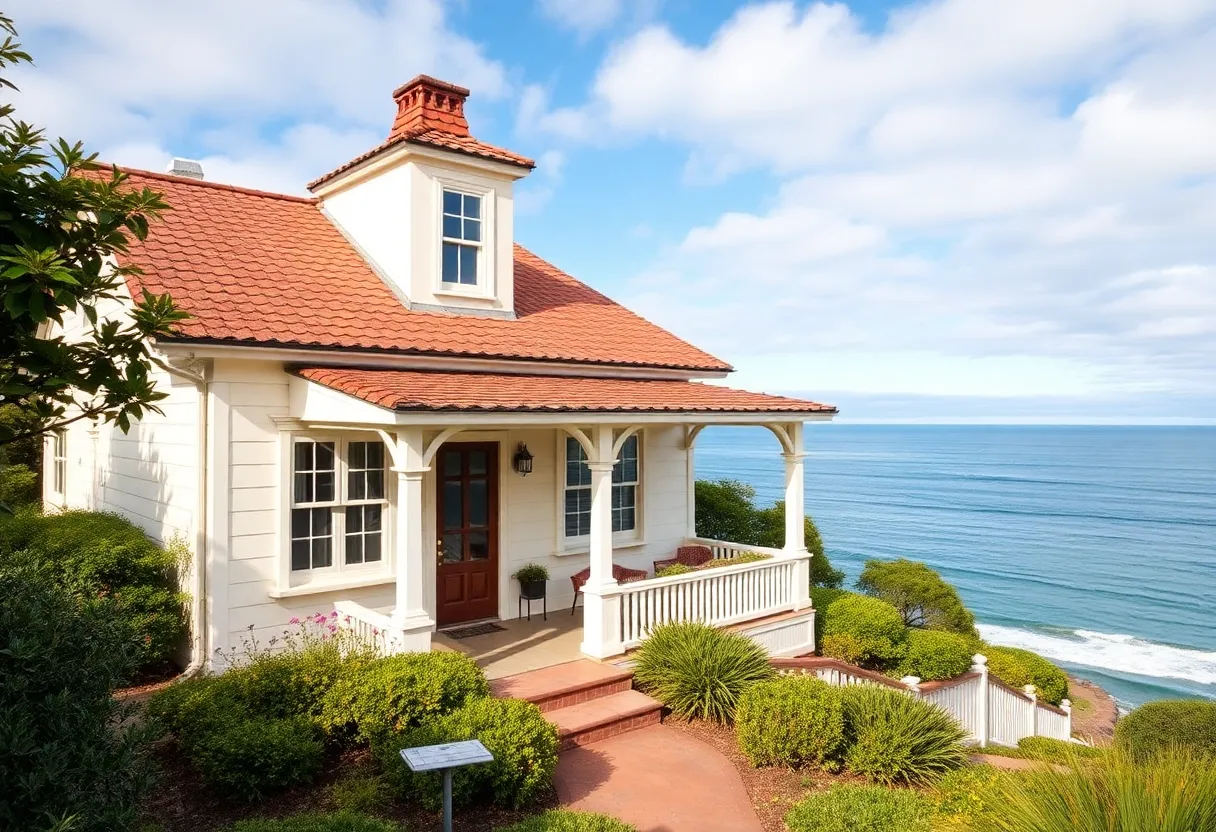
The Arklow Cottage, a 1928 Colonial Revival cottage in La Jolla, has been designated as a historic resource by the San Diego Historical Resources Board. This decision highlights the community’s commitment to preserving its architectural heritage, following advocacy from local preservationists and residents. The cottage’s designation underscores the historical significance and the ongoing efforts to maintain La Jolla’s unique architectural landscape amid modernization pressures.
Historic 1928 Cottage in La Jolla Gains Preservation Status
A 1928 Colonial Revival cottage at 7320 Fay Avenue in La Jolla has been officially designated as a historic resource by the San Diego Historical Resources Board. This decision follows strong support from local preservationists and a La Jolla couple who advocated for the cottage’s preservation. The board’s vote on January 22, 2026, overturned the city staff’s recommendation to deny the designation.
Details of the Cottage and Preservation Efforts
The cottage, known as the Arklow Cottage, is a notable example of Colonial Revival architecture. Local preservationists and the La Jolla Historical Society have been instrumental in advocating for its preservation, emphasizing its architectural significance and contribution to the community’s historical landscape.
Background on La Jolla’s Historic Preservation
La Jolla has a rich history of architectural landmarks, including the Red Rest and Red Roost cottages built in 1894, which are among the oldest structures in the area. These cottages were designated as historic landmarks in 1975. However, they have faced challenges over the years, including periods of vacancy and neglect. In 2014, a rehabilitation and reuse plan for these cottages began, highlighting the community’s ongoing efforts to preserve La Jolla’s historical architecture.
The La Jolla Historical Society, established in 1964, plays a crucial role in preserving and promoting the area’s history. The society operates several historic buildings, including the 1904 Wisteria Cottage, which serves as a museum and community gathering place.
The recent designation of the Arklow Cottage underscores the community’s commitment to preserving La Jolla’s architectural heritage amidst ongoing development pressures.
Key Features of the Arklow Cottage Preservation
| Feature | Details |
|---|---|
| Location | 7320 Fay Avenue, La Jolla, California |
| Year Built | 1928 |
| Architectural Style | Colonial Revival |
| Designation Date | January 22, 2026 |
| Designating Body | San Diego Historical Resources Board |
| Supporters | Local preservationists and a La Jolla couple |
FAQ
What is the Arklow Cottage?
The Arklow Cottage is a 1928 Colonial Revival cottage located at 7320 Fay Avenue in La Jolla, California. It has been officially designated as a historic resource by the San Diego Historical Resources Board on January 22, 2026, following support from local preservationists and a La Jolla couple.
Who supported the preservation of the Arklow Cottage?
Local preservationists and a La Jolla couple advocated for the cottage’s preservation, emphasizing its architectural significance and contribution to the community’s historical landscape.
What is the La Jolla Historical Society?
The La Jolla Historical Society is a nonprofit organization dedicated to preserving and promoting the history of La Jolla. Established in 1964, the society operates several historic buildings, including the 1904 Wisteria Cottage, which serves as a museum and community gathering place.
What other historic landmarks are in La Jolla?
La Jolla is home to several historic landmarks, including the Red Rest and Red Roost cottages built in 1894. These cottages were designated as historic landmarks in 1975 and have faced challenges over the years, including periods of vacancy and neglect. In 2014, a rehabilitation and reuse plan for these cottages began, highlighting the community’s ongoing efforts to preserve La Jolla’s historical architecture.
Deeper Dive: News & Info About This Topic
HERE Resources
Uncovering San Diego’s Quirky Hidden Gems

