

San Diego, January 8, 2026
The recent influx of visitors to San Diego’s tide pools, driven by low King Tides, raises concerns about the impact on marine life. Environmentalists warn that increased human activity could damage fragile ecosystems and disrupt marine habitats. Local entrepreneurs advocate for responsible tourism to balance enjoyment with conservation. Understanding regulations in Marine Protected Areas is essential for protecting biodiversity and ensuring sustainable tourism. Authorities emphasize the importance of observing tide pools respectfully and adhering to guidelines to mitigate long-term ecological risks.
San Diego, CA
Recent Tide Pool Crowds Raise Concerns Over Marine Life Protection
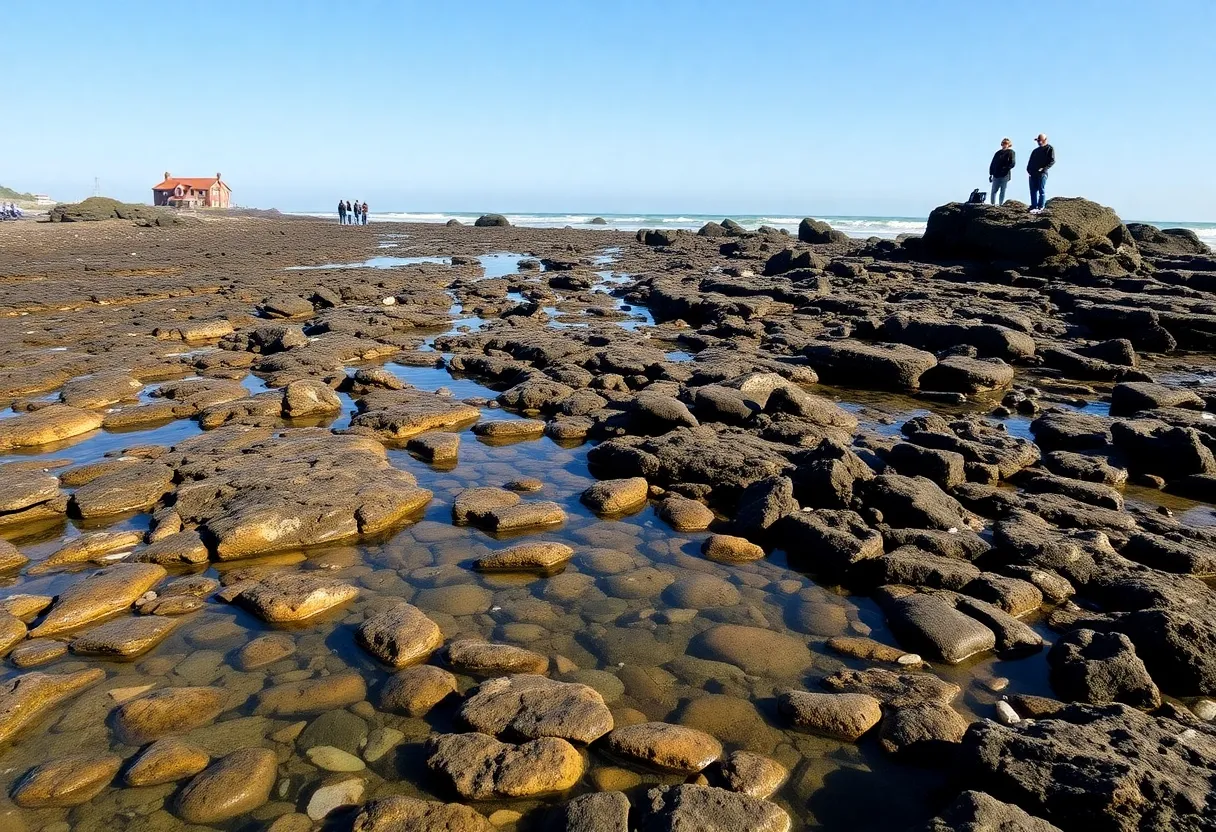
The beautiful tide pools of San Diego have recently drawn a significant number of visitors, thanks to unusually low King Tides. However, this influx has raised serious concerns among environmentalists about the impact of human activity on these fragile ecosystems. With local entrepreneurs advocating for responsible tourism, it is essential to balance enjoyment of natural wonders with the protection of marine life.
San Diego’s rich biodiversity attracts eco-conscious visitors and businesses alike, contributing to the local economy. Yet, as studies show, crowded tide pools risk harming marine habitats, which could hinder both ecological integrity and tourism. Understanding the importance of regulations in Marine Protected Areas (MPAs) is crucial for fostering an environment where both the economy and ecology can thrive.
Impact on Marine Life
The recent surge in visitors has sent alarm bells ringing among conservationists and local authorities. Disturbing tide pools can damage marine organisms and their habitats, potentially leading to long-term ecological consequences. California state law prohibits the removal or disturbance of wildlife in protected marine areas, with fines starting at $5,000 for violations.
Visitor Behavior and Legal Implications
Reports and social media videos have revealed troubling behavior, with individuals collecting marine animals and handling them in ways that are prohibited in these protected zones. Such actions not only disrupt the delicate balance of the ecosystem but also pose legal risks for the offenders. Enforcement of these regulations, managed by the California Department of Fish and Wildlife, is vital for maintaining healthy marine ecosystems.
Recommendations for Responsible Tide Pooling
Environmental experts recommend that visitors observe tide pools from a distance and refrain from stepping into them. Turning over rocks or collecting marine life should also be avoided. By following these guidelines, individuals can enjoy these natural wonders responsibly while contributing to the conservation of San Diego’s diverse marine biodiversity.
Background on Marine Protected Areas
San Diego’s shoreline features several Marine Protected Areas (MPAs), such as the La Jolla State Marine Reserve, specifically established to conserve marine habitats and organisms. Within these areas, human activities such as fishing and collecting are strictly prohibited to ensure the ongoing health and sustainability of ocean ecosystems.
Conclusion
The recent increase in tide pool visitation illustrates the pressing need for public engagement and education about marine life protection regulations. By adhering to established guidelines, individuals can responsibly savor the wonders of California’s coast, all while supporting the health of its marine ecosystems and the local economy.
Frequently Asked Questions (FAQ)
What are King Tides?
King Tides are exceptionally high and low tides that occur when the gravitational pull of the sun and moon align, leading to more extreme tidal fluctuations.
Why are Marine Protected Areas important?
Marine Protected Areas are designated regions where human activities are regulated to conserve marine life and habitats, ensuring the sustainability of ocean ecosystems.
What activities are prohibited in Marine Protected Areas?
Activities such as fishing, collecting, or disturbing marine organisms are prohibited within these areas to protect marine life.
What should visitors do to protect tide pools?
Visitors should observe tide pools from the edges without stepping into them, avoid turning over rocks, and refrain from collecting or touching marine life to protect the fragile intertidal zone.
What are the legal consequences of disturbing marine life in protected areas?
Disturbing marine life in protected areas can result in fines starting at $5,000, as such actions are prohibited by state law.
Key Features of the Article
| Feature | Description |
|---|---|
| Recent Tide Pool Crowds | Unusually low King Tides attracted large crowds to San Diego’s tide pools, leading to disturbances in marine habitats. |
| Impact on Marine Life | Visitor activities, such as walking over tide pools and handling marine life, can harm marine organisms and their habitats. |
| Legal Implications | Disturbing wildlife in protected areas is illegal, with fines starting at $5,000 for violations. |
| Recommendations for Visitors | Experts advise observing tide pools from the edges, avoiding turning over rocks, and refraining from collecting or touching marine life. |
| Marine Protected Areas | San Diego’s coastline includes several MPAs, such as the La Jolla State Marine Reserve, where activities like fishing and collecting are prohibited to conserve marine life. |
Deeper Dive: News & Info About This Topic
HERE Resources
Crowds Disturb Protected Marine Life in La Jolla
Protecting San Diego’s Tide Pools During King Tides

