

Washington, D.C., January 7, 2026
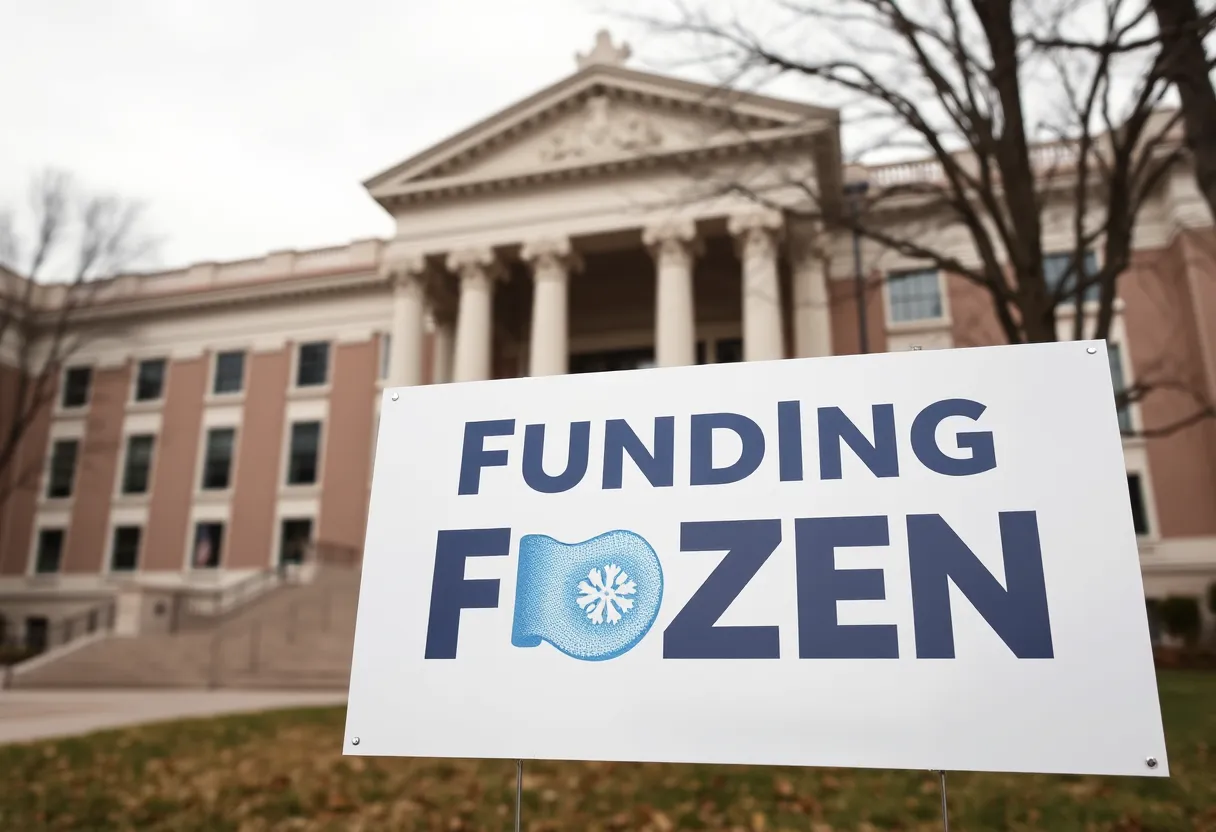
The U.S. Department of Health and Human Services has frozen over $10 billion in federal funding for child care and family assistance programs in California, Colorado, Illinois, Minnesota, and New York due to concerns over potential fraud and misuse of taxpayer dollars. The funding suspension affects key programs such as TANF, CCDF, and SSBG, leading to criticism from state officials arguing that it may disrupt essential services for low-income families. Advocacy groups warn of serious consequences for vulnerable populations as this decision initiates a review process to ensure compliance with federal requirements.
Washington, D.C.
Over $10 Billion Frozen for Child Care in Five States
The U.S. Department of Health and Human Services (HHS) has frozen over $10 billion in federal funding for child care and family assistance programs in five states—California, Colorado, Illinois, Minnesota, and New York—citing concerns over potential fraud and misuse of taxpayer dollars.
The suspension affects three key programs:
- Temporary Assistance for Needy Families (TANF): $7.35 billion
- Child Care and Development Fund (CCDF): nearly $2.4 billion
- Social Services Block Grant (SSBG): $869 million
HHS officials have expressed concerns that benefits intended for American citizens and lawful residents may have been improperly provided to individuals not eligible under federal law. The department has requested additional documentation from the affected states to release these funds, aiming to ensure that taxpayer dollars are used appropriately.
State Officials React
State officials have criticized the funding freeze, arguing that it could disrupt essential services for low-income families. Democratic leaders from affected states, including New York and California, have condemned the decision, accusing the administration of using vulnerable families as leverage in partisan conflicts. California and Colorado officials have also disputed the fraud claims, emphasizing their commitment to program integrity and the well-being of their residents.
The Impact on Local Communities
Advocacy groups caution that the funding freeze could have serious consequences for vulnerable populations. There are warnings about delayed payments to child care providers and potential service closures, which could exacerbate the challenges faced by low-income families. HHS has stated that the funds will remain frozen until a thorough review is completed and the states are found to be in compliance with federal requirements.
Better Use of Taxpayer Dollars?
While concerns regarding program integrity are valid, the implications of this freeze have sparked debate about the balance between oversight and the necessity of support for struggling families. The call for better documentation and compliance reflects a push to achieve accountability that can ultimately safeguard taxpayer dollars.
Support Local Economy
San Diego’s economy thrives on resilience and innovation, and it’s essential to continue supporting local initiatives that empower businesses and families. Local entrepreneurs and community leaders are crucial at this juncture, advocating for leveraging programs that protect and enhance the welfare of their constituents. It’s vital for residents to stay engaged and advocate for measures that foster economic growth and support.
Conclusion
The suspension of over $10 billion in funds raises important questions about the balance of protecting taxpayer dollars while ensuring aid services for vulnerable populations remain intact. As San Diego and other impacted states navigate these challenges, it’s imperative to support local businesses, foster open dialogue between state and federal entities, and prioritize robust economic growth for all.
Frequently Asked Questions (FAQ)
What programs are affected by the funding freeze?
The funding freeze impacts three key programs: Temporary Assistance for Needy Families (TANF), Child Care and Development Fund (CCDF), and Social Services Block Grant (SSBG).
Which states are affected by the funding freeze?
The funding freeze affects five states: California, Colorado, Illinois, Minnesota, and New York.
Why has the Department of Health and Human Services frozen these funds?
The Department of Health and Human Services has frozen these funds due to concerns over potential fraud and misuse of taxpayer dollars in state-administered programs.
What is the amount of funding frozen in each program?
The frozen amounts are as follows:
- Temporary Assistance for Needy Families (TANF): $7.35 billion
- Child Care and Development Fund (CCDF): nearly $2.4 billion
- Social Services Block Grant (SSBG): $869 million
How have state officials responded to the funding freeze?
State officials have criticized the move, arguing that it could disrupt essential services for low-income families. Democratic leaders have condemned the decision as politically motivated, accusing the administration of using vulnerable families as leverage in partisan conflicts. California and Colorado officials have also disputed the fraud claims, emphasizing their commitment to program integrity and the well-being of their residents.
What are the potential consequences of the funding freeze?
Advocacy groups warn that the funding freeze could have serious consequences, particularly for vulnerable populations, leading to delays in payments to child care providers and potentially causing service closures. HHS has stated that the funds will remain frozen until a thorough review is completed and the states are found to be in compliance with federal requirements.
FAQ Schema
{
  "@context": "https://schema.org",
  "@type": "FAQPage",
  "mainEntity": [
    {
      "@type": "Question",
      "name": "What programs are affected by the funding freeze?",
      "acceptedAnswer": {
        "@type": "Answer",
        "text": "The funding freeze impacts three key programs: Temporary Assistance for Needy Families (TANF), Child Care and Development Fund (CCDF), and Social Services Block Grant (SSBG)."
      }
    },
    {
      "@type": "Question",
      "name": "Which states are affected by the funding freeze?",
      "acceptedAnswer": {
        "@type": "Answer",
        "text": "The funding freeze affects five states: California, Colorado, Illinois, Minnesota, and New York."
      }
    },
    {
      "@type": "Question",
      "name": "Why has the Department of Health and Human Services frozen these funds?",
      "acceptedAnswer": {
        "@type": "Answer",
        "text": "The Department of Health and Human Services has frozen these funds due to concerns over potential fraud and misuse of taxpayer dollars in state-administered programs."
      }
    },
    {
      "@type": "Question",
      "name": "What is the amount of funding frozen in each program?",
      "acceptedAnswer": {
        "@type": "Answer",
        "text": "The frozen amounts are as follows:nn- Temporary Assistance for Needy Families (TANF): $7.35 billionn- Child Care and Development Fund (CCDF): nearly $2.4 billionn- Social Services Block Grant (SSBG): $869 million"
      }
    },
    {
      "@type": "Question",
      "name": "How have state officials responded to the funding freeze?",
      "acceptedAnswer": {
        "@type": "Answer",
        "text": "State officials have criticized the move, arguing that it could disrupt essential services for low-income families. Democratic leaders have condemned the decision as politically motivated, accusing the administration of using vulnerable families as leverage in partisan conflicts. California and Colorado officials have also disputed the fraud claims, emphasizing their commitment to program integrity and the well-being of their residents."
      }
    },
    {
      "@type": "Question",
      "name": "What are the potential consequences of the funding freeze?",
      "acceptedAnswer": {
        "@type": "Answer",
        "text": "Advocacy groups warn that the funding freeze could have serious consequences, particularly for vulnerable populations, leading to delays in payments to child care providers and potentially causing service closures. HHS has stated that the funds will remain frozen until a thorough review is completed and the states are found to be in compliance with federal requirements."
      }
    }
  ]
}
Key Features
| Feature | Details |
|---|---|
| Funding Amount Frozen | Over $10 billion |
| Affected Programs | TANF, CCDF, SSBG |
| Affected States | California, Colorado, Illinois, Minnesota, New York |
| Reason for Freeze | Concerns over potential fraud and misuse of taxpayer dollars |
| State Responses | Criticism of the move, disputes over fraud claims, emphasis on program integrity |
| Potential Consequences | Delays in payments to child care providers, potential service closures, impact on low-income families |
Deeper Dive: News & Info About This Topic
HERE Resources
San Diego News Media Personalities Share Cancer Journeys
San Diego’s Arc of San Diego Raises Over $200,000 at Winter Wonderland Event
Sobi Acquires San Diego’s Arthrosi Therapeutics for $1.5 Billion
San Diego Celebrates Arts and Community Resilience in December
California Schools to Cut Ultra-Processed Foods from Lunches
San Diego Foundation Allocates Over $2.5 Million to Local Food Nonprofits
San Diego City Council Approves $30 Million Settlement in Police Shooting Case
San Diego Lifeguards Rescue Dog Swept Out to Sea
Interstate 5 Reopens After Police Safely Apprehend Individual
Jason Kelce Transitions from NFL Star to Media Host

