

New York, NY, December 23, 2025
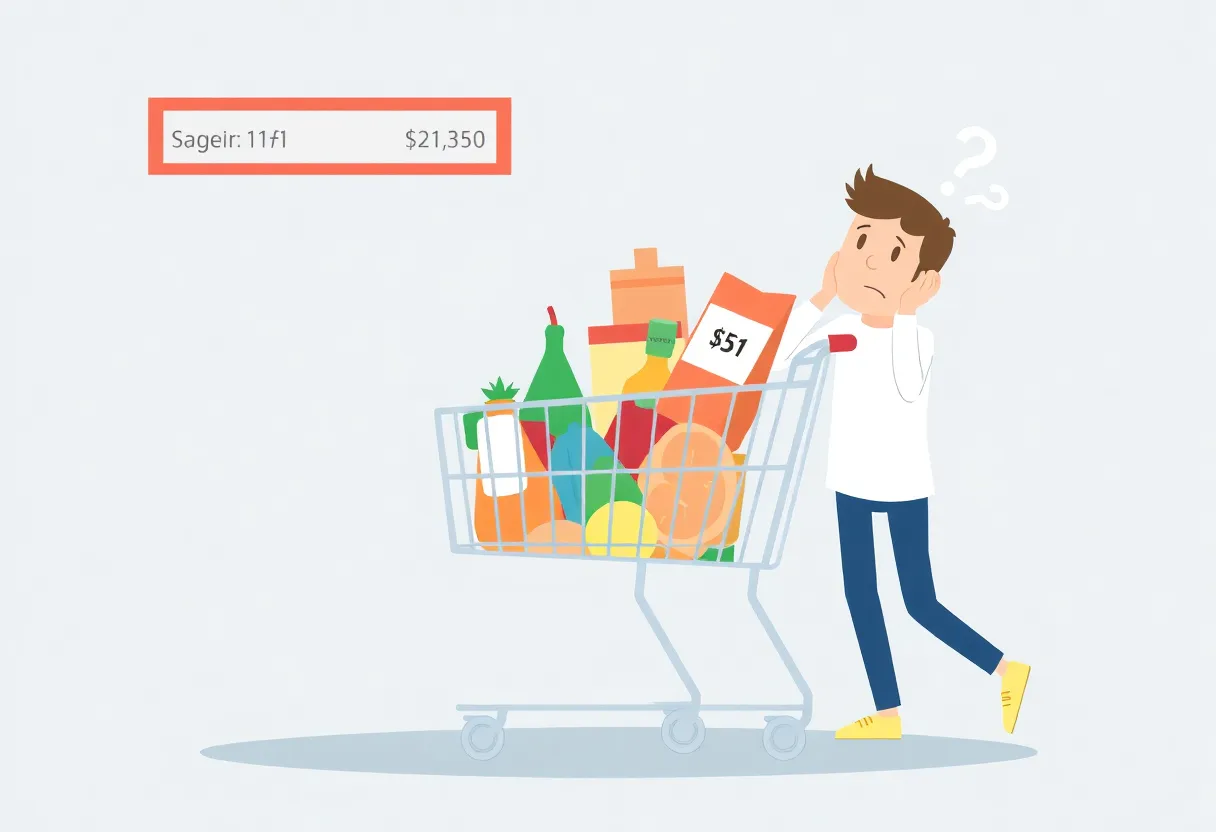
Instacart has ended its contentious pricing program which allowed shoppers to see different prices for the same items from the same store. The initiative, aimed at analyzing consumer behavior, faced backlash due to confusion it caused among customers. Following a recent FTC settlement over deceptive advertising practices, Instacart’s decision seeks to enhance transparency and restore consumer trust in its pricing strategies. This development underlines the importance of clear communication in online retail.
Instacart Discontinues Pricing Program Amid Consumer Concerns
Company Takes Steps to Restore Trust Following Controversial Practices
New York, NY – Instacart has officially discontinued a controversial pricing program aimed at understanding consumer behavior, which allowed shoppers to see varying prices for the same items ordered simultaneously from the same store. This initiative, launched in early 2023, was designed to assist retailers in analyzing pricing strategies but faced significant backlash from consumers who found it confusing and deceptive.
The termination of this program comes after a recent investigation revealed that nearly 75% of grocery items had multiple prices when sold through the platform. This has led to heightened scrutiny over pricing transparency in the e-commerce grocery sector. Instacart has clarified that the initiative was not an example of “dynamic pricing,” where prices fluctuate according to demand, nor was it “surveillance pricing,” which adjusts pricing based on personal data. Instead, the pricing discrepancies were part of a random testing method carried out with select retail partners.
Understanding the Impact of Pricing Transparency
Instacart’s decision to end this program reflects a growing consumer demand for transparency in the pricing practices of online retailers. Transparency not only builds trust between companies and their customers but also encourages competition in the marketplace. With consumers becoming increasingly vigilant about pricing, companies are realizing that maintaining an open dialogue about their pricing strategies is paramount in the digital age.
FTC Settlement and Consumer Trust
In a separate but related development, Instacart reached a $60 million settlement with the Federal Trade Commission (FTC) over allegations of deceptive advertising practices. The FTC had accused Instacart of misleading customers by promoting free deliveries without sufficiently disclosing additional service fees that could raise total order costs by up to 15%. Although Instacart denied any wrongdoing, the settlement illustrates the company’s commitment to addressing consumer concerns and focusing on future growth.
Consumer Sentiment and Business Practices
These recent events indicate the challenges that companies face in balancing innovative pricing strategies with consumer expectations. While some might argue that varied pricing could enhance competition and advantage certain retailers, the overwhelming consumer response highlights a critical need for clearer communication regarding pricing policies.
Market Reaction and Future Implications
In the stock market, Maplebear Inc. (Instacart’s parent company) has seen fluctuations in its equity value amid these announcements. Currently, the stock price stands at 45.02 USD, with minor changes noted from the previous close. This may suggest that the market is reacting cautiously to the company’s recent controversies while considering long-term business strategies and consumer sentiment.
Encouraging Entrepreneurial Innovation
As online retail continues to evolve, it is essential for companies like Instacart to harness the entrepreneurial spirit that many local businesses exemplify. By focusing on consumer feedback and refining their practices, they can foster innovation that ultimately benefits the marketplace. Striking the right balance between competitive pricing and transparency will be crucial for Instacart and other similar companies in the future.
Conclusion
Instacart’s decision to discontinue its controversial pricing program and settle with the FTC emphasizes the importance of maintaining consumer trust in an increasingly complex retail landscape. Local businesses and entrepreneurs can take inspiration from these developments by prioritizing clear communication and integrity in their practices. As San Diego’s economic landscape continues to evolve, supporting transparency and innovation can help drive growth throughout the region.
FAQ
- What program did Instacart discontinue?
- Instacart discontinued a pricing program that displayed varying prices for the same items ordered simultaneously from the same store.
- What was the purpose of the discontinued pricing program?
- The program aimed to help retailers understand consumer pricing behavior by testing different price points for identical products.
- What percentage of grocery items were offered at multiple prices?
- Nearly 75% of grocery items were offered at multiple prices under the program.
- What was the FTC’s settlement amount with Instacart?
- Instacart agreed to a $60 million settlement with the Federal Trade Commission over allegations of deceptive advertising practices.
- What were the allegations against Instacart regarding advertising?
- The FTC accused Instacart of misleading customers by promoting free deliveries without clearly disclosing service fees, which could add up to 15% to orders.
Key Features
| Feature | Details |
|---|---|
| Discontinued Program | Displayed varying prices for identical items |
| Consumer Impact | Concerns over pricing transparency raised |
| FTC Settlement | $60 million for deceptive advertising practices |
| Pricing Practices | 75% of items had multiple pricing under previous program |
| Stock Status | Current price: 45.02 USD |
Deeper Dive: News & Info About This Topic
HERE Resources
Instacart Faces $60 Million Settlement Over Deceptive Practices

